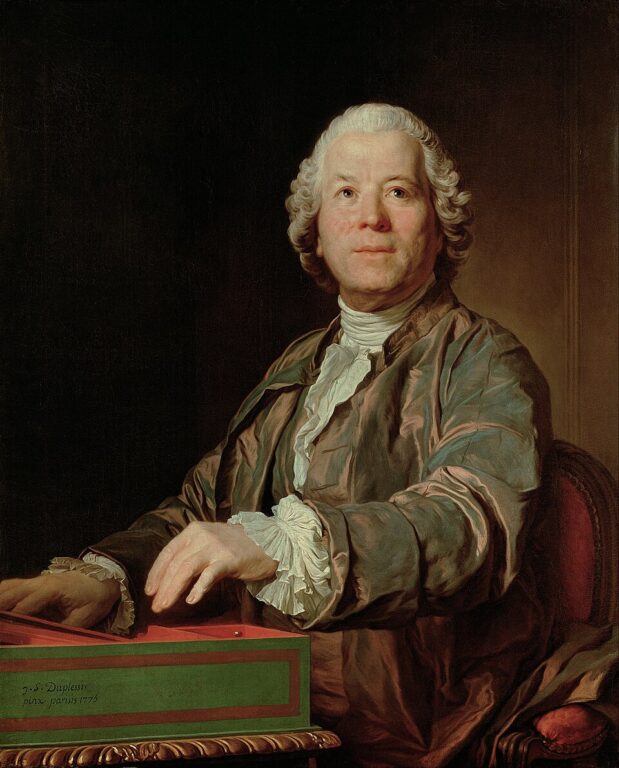
Christoph Willibald Gluck · Classification
1714 – 1787
1774 · Tragédie lyrique · Paris Opera
Tonality
Without a unique tone. Like every opera, he goes through many tonalities throughout his scenes, dances and chorus.
From the atril
Gluck arrived in Paris protected by Queen Mary Antonieta, who had been her student in Vienna, and presented herself with this racine-based tragedy: King Agamenon must sacrifice his daughter Ifigenia so that the gods send the wind that will bring the Greeks to Troy. The premiere, in 1774, was an event and opened the famous complaint between the supporters of Gluck and those of Piccinni.
The overture is so powerful that it had its own life in the concert rooms, and Wagner wrote for it a new ending in the 19th century. From the orchestra, what is most impressive is the portrait of Agamenon, torn between his duty as king and his love as father, with recitatives accompanied by an enormous intensity. The chorus and dances, which are essential in French tradition, are perfectly integrated into the drama.
What to hear
- The overture, which passes directly to the first act.
- The monologues of Agamenon.
- The chorus and dances integrated into action.
Listen
Gluck: Iphigénie en Aulide et Iphigénie en Tauride · France Musique concerts
When you press the YouTube player will be loaded.

