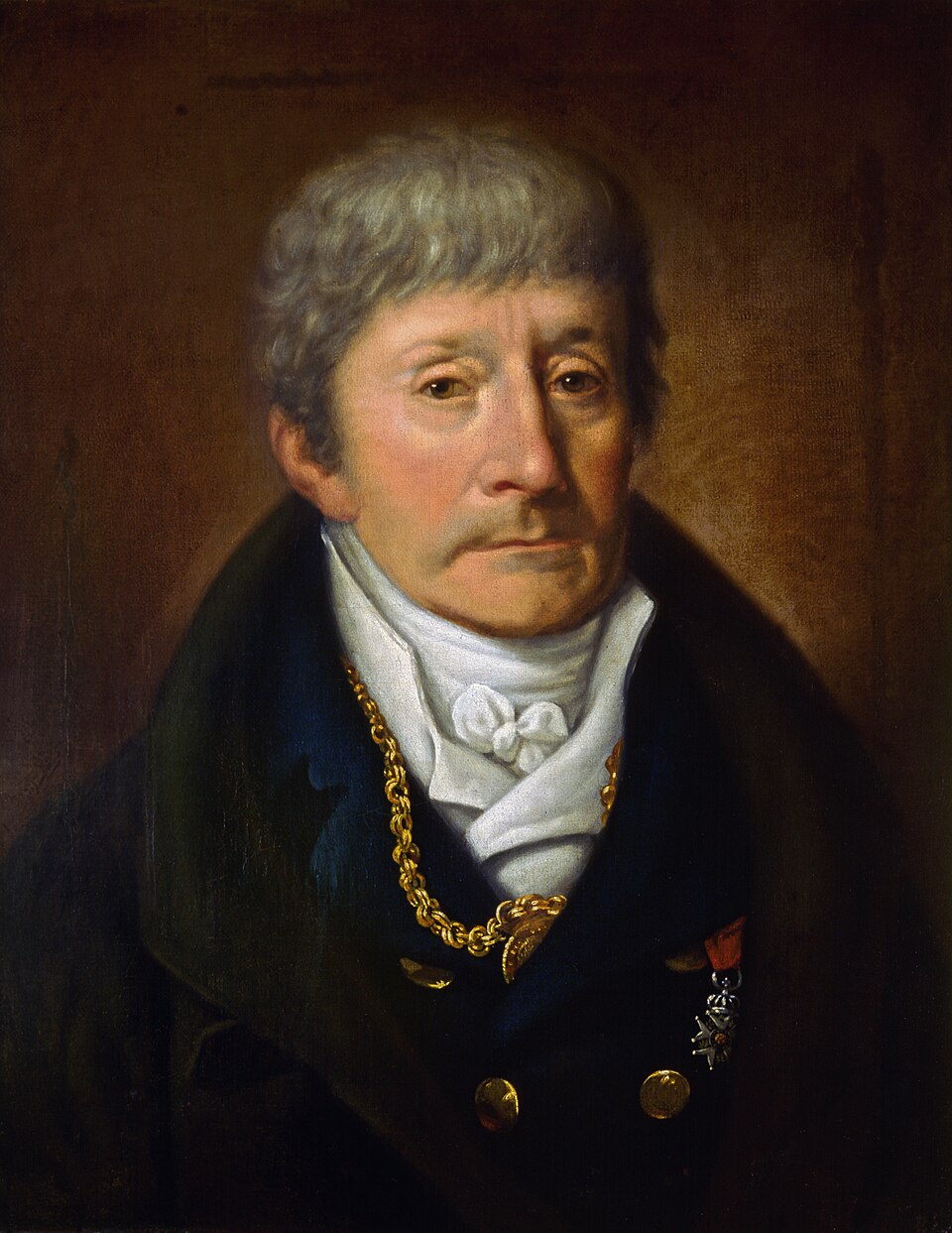
Antonio Salieri · Classification
1750 – 1825
1787 / 1788 · Opera · Paris and Vienna
Tonality
Without a unique tone. Like every opera, he goes through many tonalities throughout his scenes, arias and chorus.
From the atril
Beaumarchais, the author of The wedding of Figaro, wrote for Salieri the libretto of Tarare: a virtuous soldier of humble origin faces a despotic king of the East and ends up being proclaimed sovereign by the people. It was launched in Paris in 1787, two years before the Revolution, and it was a huge success.
The following year, Lorenzo da Ponte adapted the text to Italian and Salieri rewrote much of the music for Vienna: Axur, re d'Ormus, which was Joseph II's favorite opera. The two versions are almost two different works, the most decamated French and the most lyrical Italian, with more arias and ensembles. For the orchestra, both offer exotic scenes, marches, storms and an excellent theatrical sense. It's the most ambitious Salieri.
What to hear
- The philosophical prologue of Tararewith Nature and the Fire Genius.
- The scenes of Eastern exotism and the military marches.
- The differences between the French and Italian versions.

