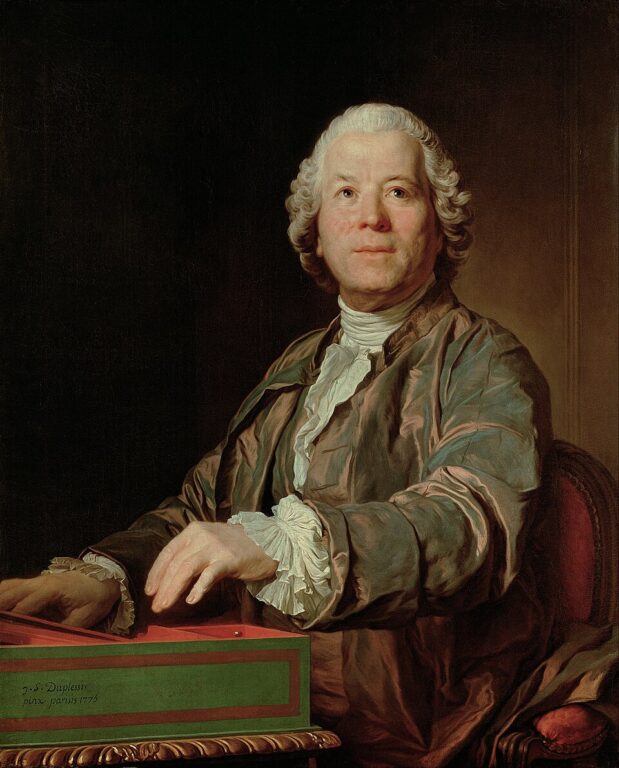
Christoph Willibald Gluck · Classification
1714 – 1787
1777 · Drame · Paris Opera
Tonality
Without a unique tone. Like every opera, he goes through many tonalities throughout his scenes, dances and chorus.
From the atril
Gluck had the audacity to put music on the same libretto by Philippe Quinault that Lully had used in 1686, a work venerated in France. The story comes out of Tasso: the Wizard Armida wants to kill the cross-knight Renaud, but she falls in love with him and holds him in his enchanted palace, until he escapes and she, lost her, destroys her own magical kingdom.
It is the most sensual opera of Gluck, and in the pit it is noted on each page. The aria of Renaud Plus j'observe ces lieuxwhen you sleep in the enchanted garden, you have a satin rope accompaniment and an oboe that imitate the murmur of water and the singing of birds. The scene of the Hate, which Argida invokes to forget his love and then rejects, is of an extraordinary theatrical force. The end, with the destruction of the palace, is pure orchestral spectacle.
What to hear
- The aria of Renaud Plus j'observe ces lieux.
- The Hate scene in the third act.
- The final destruction of the enchanted palace.
Listen
Gluck: Armide, Wq. 45 - Ed. Giovanni Secchi - "Plus j'observe ces lieux" · Daniel Behle
When you press the YouTube player will be loaded.

