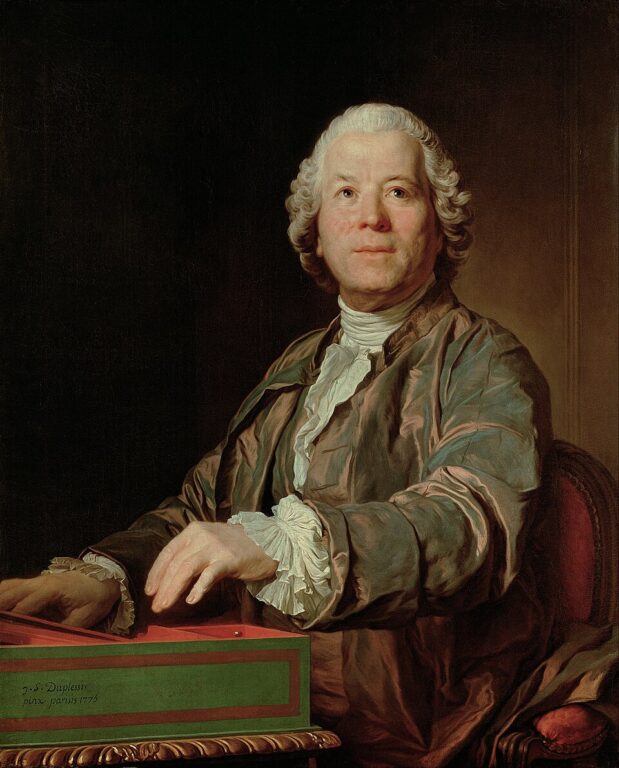
Christoph Willibald Gluck · Classification
1714 – 1787
1770 · Opera · Vienna
Tonality
Without a unique tone. Like every opera, he goes through many tonalities throughout his scenes, dances and chorus.
From the atril
It is the third and last opera that Gluck wrote with Calzabigi in Vienna, and the least of the three. It tells how Paris reaches Sparta and seduces Helena, before the Trojan war. Unlike the tragedies of Orpheus and Alceste, here there is no death or infernal gods: it is a love drama, and Gluck wanted to musically counter the sensuality of Paris's fries to the austerity of Spartans.
For musicians, this idea of characterizing two villages with different styles is most interesting: the music of Paris is languid and ornate, that of Sparta, sober and rhythmic. There are splendid dances and athletic chorus. The work also contains one of Gluck's most beautiful arias, O of mine dolce ardorin which Paris expresses its desire with a long melody on a breathing accompaniment. Today a lot is sung in recitals, although the entire opera remains rare.
What to hear
- The aria O of mine dolce ardor.
- The contrast between the music of the frigios and that of the Spartans.
- The dances and the athletic chorus.
Listen
Christoph Willibald Gluck "Paride ed Elena" (Paul McCree h • Gabrieli Conort and Players) · Sadanori Kobinata
When you press the YouTube player will be loaded.

