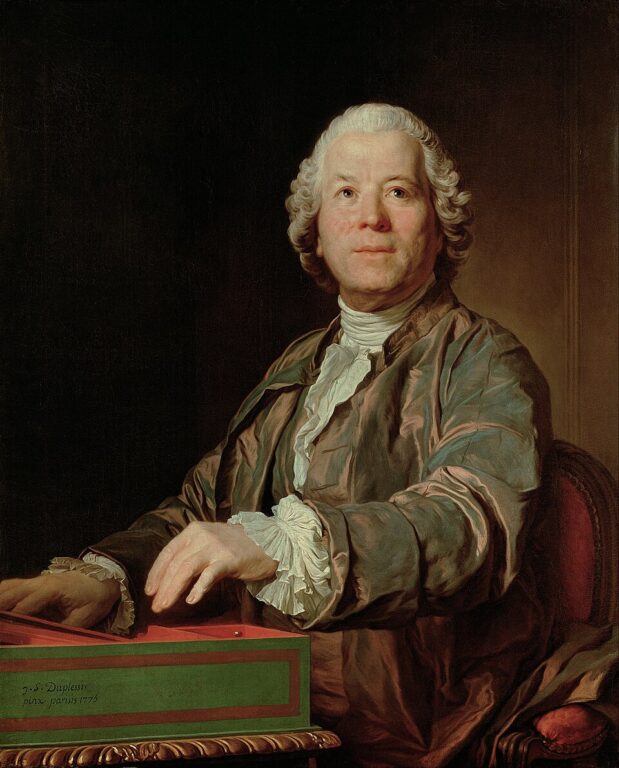
Christoph Willibald Gluck · Classification
1714 – 1787
1767 · Opera · Vienna (French version, Paris 1776)
Tonality
Without a unique tone. Like every opera, he goes through many tonalities throughout his scenes, dances and chorus.
From the atril
Queen Alcestis offers to die instead of her husband, King Admeto, whom the gods have condemned. With this myth of conjugal love, Gluck and Calzabigi took their second step in the reform, and when they published the score in 1769 they accompanied it with a preface that became the manifesto of the new opera: music must serve poetry, oberture must announce the drama and the singer must not interrupt the action to show off.
From the orchestra we can see the severity of this proposal. The overture, in a minor re, is serious and solemn, without decorative glow, and the choirs have a weight almost of Greek tragedy. The oracle scene, with thrombons, is overwhelming. In the French version of 1776 is the most famous aria, Divinités du Styxin which Alcestis challenges the gods of the underworld with an energy that anticipates the heroines of Beethoven.
What to hear
- The overture, which announces the tragedy.
- The oracle scene, with thrombons.
- The aria Divinités du Styx of the French version.
Listen
Christoph Willibald Gluck: Alceste (Oct 2018) · MemChurchHarvard
When you press the YouTube player will be loaded.

