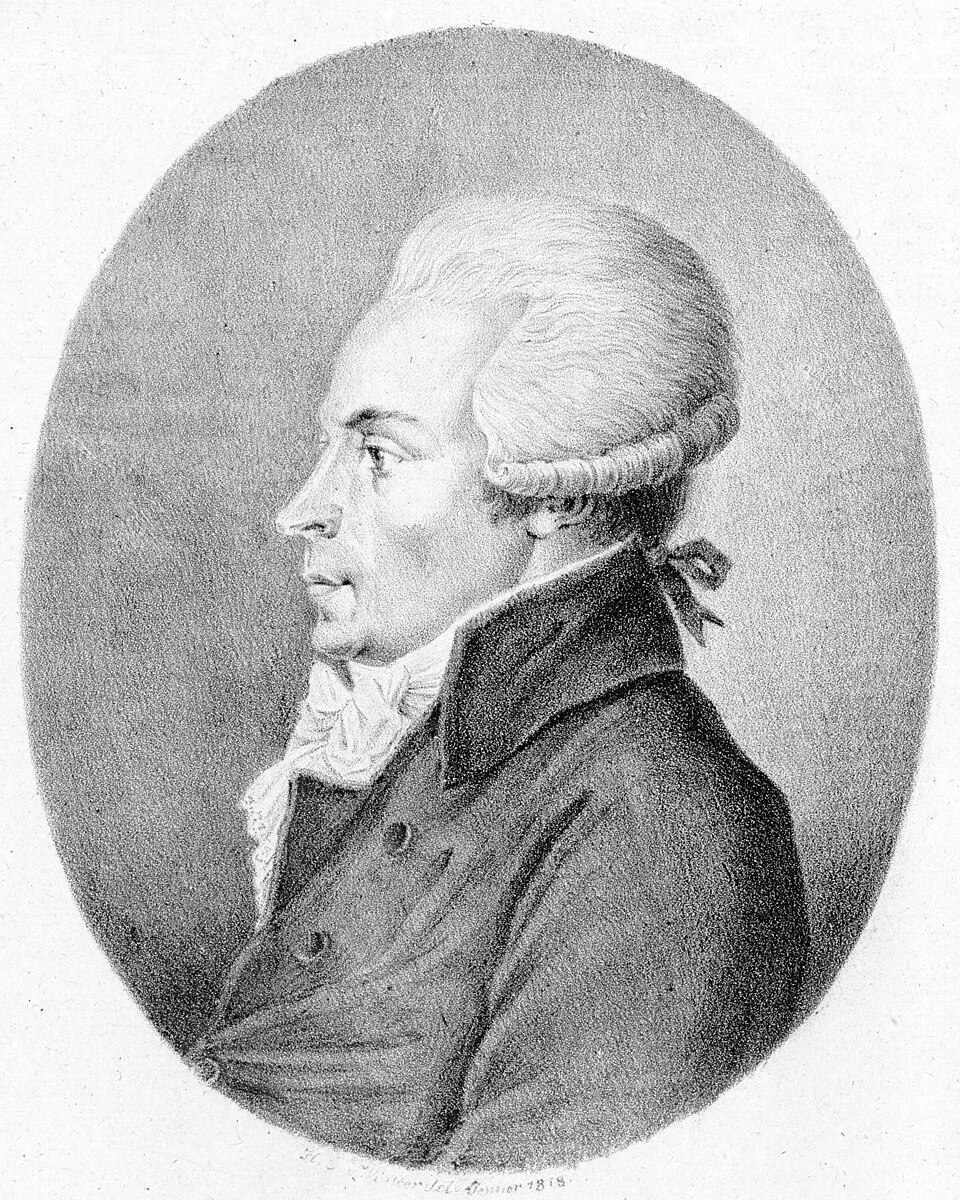
Antonio Rosetti · Classification
c. 1750 - 1792
1785 · Passion Oratory · Wallerstein
Tonality
Without a unique tone. Like all oratoriums, he goes through many tonalities along his aryan, chorus and recitation.
From the atril
«Jesus dying»: This German prayer for Holy Week was one of Rosetti's greatest successes in life and circulated much in handwritten copies in southern Germany. It does not tell the Passion in the way of Bach, with an evangelist, but it looks at it from the characters around Christ on the cross, with a tone of intimate piety very specific to the sensitivity of the late 18th century.
From the orchestra you can see Rosetti's trade: Reciprocals accompanied by great dramatic tension, arias with wind solos that comment on the text and simple and moving choirs. It is not music that seeks the effect, but the emotion contained. It is a good example of the classic German oratorium before The Creation of Haydn, a repertoire that is hardly interpreted and that keeps surprises.
What to hear
- The recites accompanied, the moments of greatest drama.
- The Aryans with the required wind soles.
- The chorus, simple and a very direct piety.

