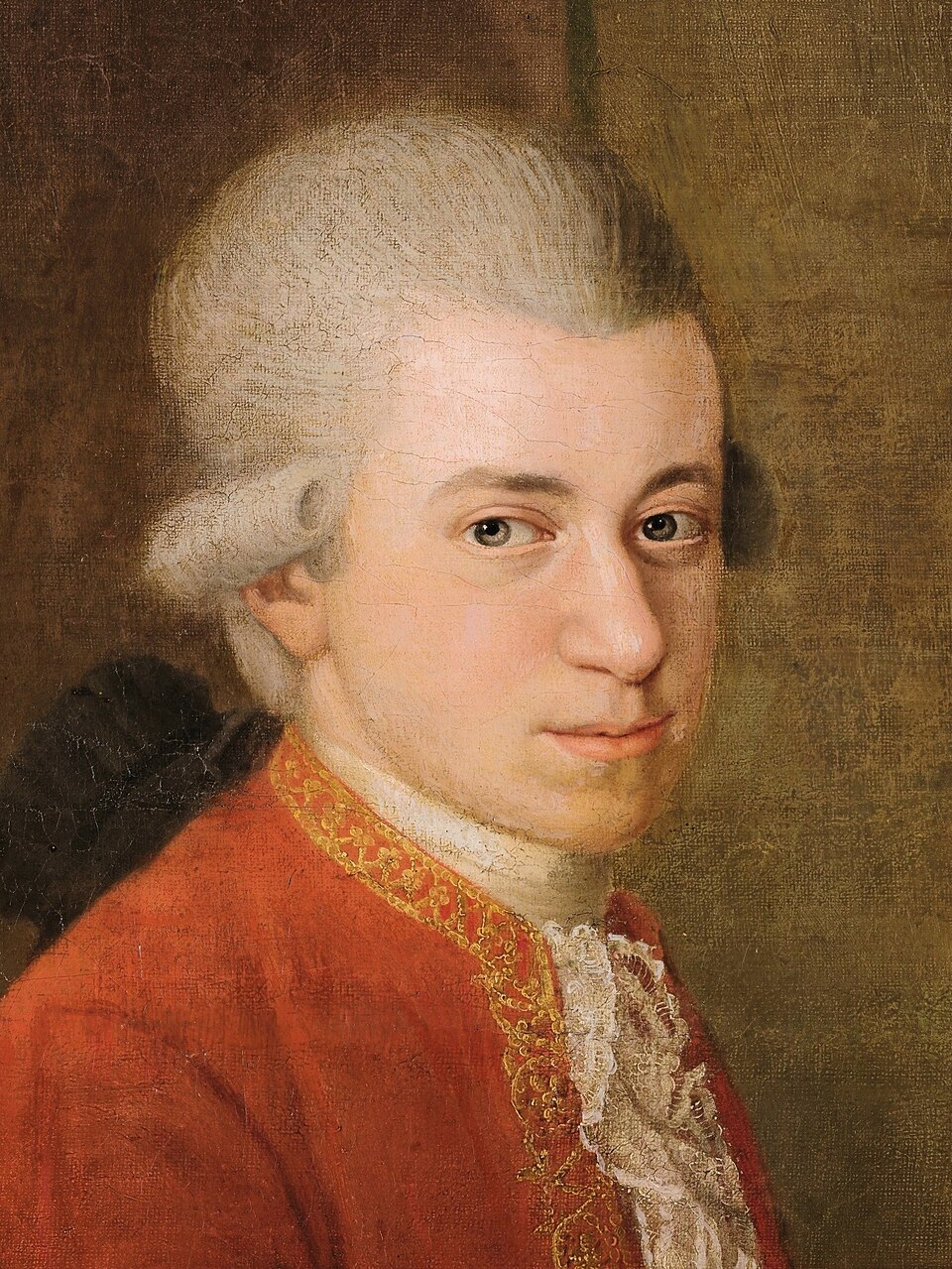
Wolfgang Amadeus Mozart · Classification
1756 – 1791
1786 · Opera bufa · Vienna
Tonality
Without a unique tone. Like every opera, it goes through many tonalities along its ari and ensembles. The overture is in major.
Instruments
- 2 flutes
- 2 oboes
- 2 clarings
- 2 fages
- 2 tubes
- 2 trumpets and timbals
- Rope (violins, violas, cello and contrabajes)
- Continuous for the recites (key or fortepiano)
From the atril
The wedding of Figaro, released in Vienna in May 1786, was the first of the three operas of Mozart with a libretto by Lorenzo Da Ponte. It is based on the comedy of Beaumarchais, which had been banned in Vienna for its criticism of aristocracy; Da Ponte softened the political passages to obtain the permission of the emperor, but the work retains its subversive spirit.
On a single day of madness, Figaro and Susanna, servants of the Count of Almaviva, try to marry while the Count tries to seduce Susanna. With the complicity of the countess, humiliated by her husband's infidelities, they organize a series of deceits that end up showing the noble. Mozart makes comedy a human portrait of an unparalleled wealth: each character has its music and psychology. The end of the act, long and chained, are wonders of musical construction. The Countess's Aryans, «Porgi, love» and «Dove sono», are of a touching melancholy, and the final forgiveness of the last act is one of the most sublime moments of the opera.
What to hear
- The overture.
- The Countess's Aryans.
- The final forgiveness of the fourth act.

