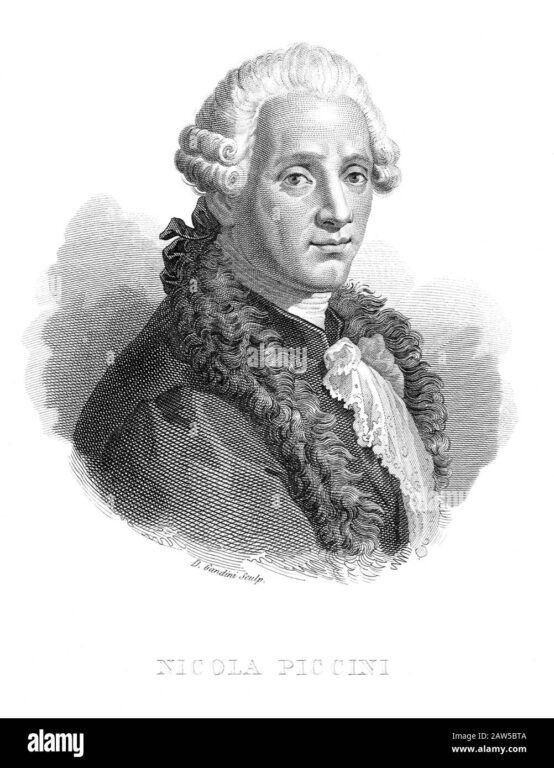
Niccolo Piccinni · Classification
1728 – 1800
1781 · Tragédie lyrique · Paris
Tonality
Without a unique tone. Like all tragédie lyrique, he goes through many tonalities throughout his scenes, dances and chorus.
From the atril
The direction of the Paris Opera commissioned Gluck and Piccinni to follow operas on the same subject, Iphygeny in Táurideto compare the two rivals. Gluck finished earlier and released his own in 1779, with a huge success; that of Piccinni, with a libretto by Alphonse du Congé Dubreuil, arrived two years later, in 1781, when the audience already had the score of Gluck on its head.
The comparison hurt him, and a famous anecdote made him worse: in one of the functions, the soprano that Ifigenia sang went on stage visibly drunk, and the public baptized the work as «Iphigénie in Champagne». However, the opera of Piccinni has many virtues: a more lyrical and flexible vocal writing than that of Gluck, a dedicated orchestration and scenes of great tenderness, especially in the reencounter between Ifigenia and her brother Orestes. Listening to it next to Gluck's is an exciting way to understand the debate of the time between drama and melody.
What to hear
- The lyrical vocal writing of Ifigenia.
- The meeting with Orestes.
- The comparison with Iphigénie in Tauride from Gluck.

