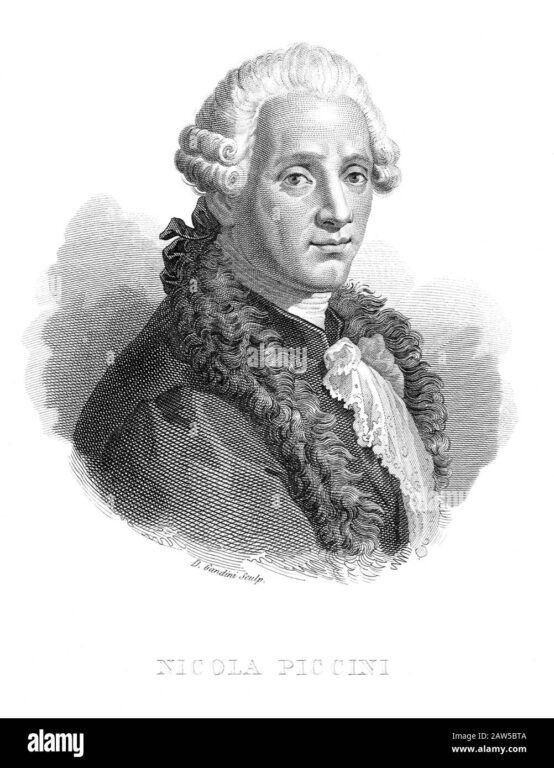
Niccolo Piccinni · Classification
1728 – 1800
1783 · Tragédie lyrique · Fontainebleau and Paris
Tonality
Without a unique tone. Like all tragédie lyrique, he goes through many tonalities throughout his scenes, dances and chorus.
From the atril
Didon, with Marmontel's libretto, it premiered before the court in Fontainebleau in 1783 and then passed to the Paris Opera, where it remained on the sign for decades. Gluck had already returned to Vienna, and Piccinni was finally able to shine without a direct rival. It is considered his French masterpiece.
The story is that of Dido, Queen of Carthage, abandoned by Eneas, who leaves for Italy by command of the gods. Marmontel concentrated the action on the inner drama of the queen, and Piccinni gave her a music of great expressive intensity, with dramatic, wide and recitative aries that follow every change of her mind: love, supplication, anger and final despair. The paper was written for the famous soprano Madame Saint- Huberty, which made it a personal triumph. It is proof that Piccinni, beyond the controversy, was able to assimilate Gluck's lesson and write a first-level lyrical tragedy.
What to hear
- The Ias of Dido, written for Madame Saint- Huberty.
- The dramatic recites.
- The queen's final despair.
Listen
Niccolò Piccinni - Didon · CalistoBassi
When you press the YouTube player will be loaded.

