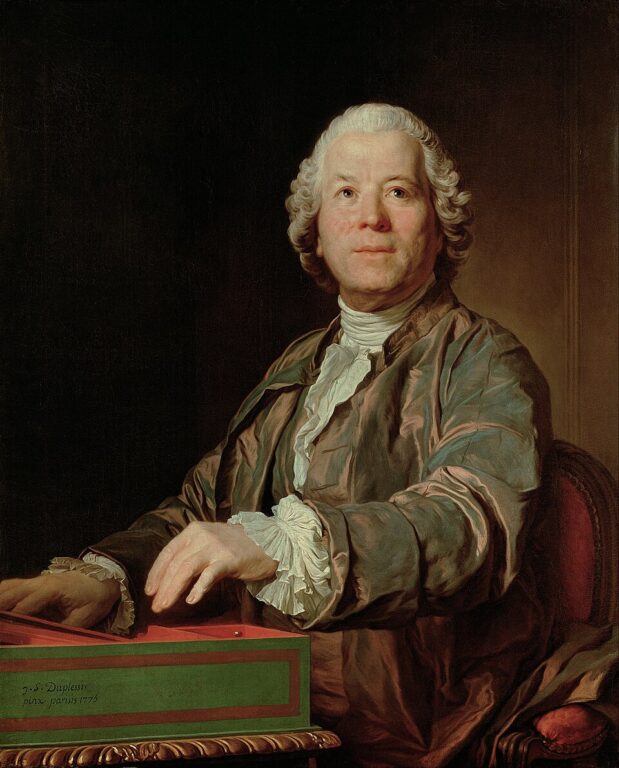
Christoph Willibald Gluck · Classification
1714 – 1787
1779 · Tragédie lyrique · Paris Opera
Tonality
Without a unique tone. Like every opera, he goes through many tonalities throughout his scenes, dances and chorus.
Instruments
- Flautin and flutes
- Oboes and clarinet
- Fagries
- Thrombas, trumpets and thrombons
- Timbals
- Plates, triangle and bulb (in the chorus of the spades)
- Row
From the atril
Many consider it the masterpiece of Gluck and the culmination of his reform. Years after the Iphigénie in AulideIfigenia is priestess on the far Táuride, forced to sacrifice the foreigners who arrive on the island. When two Greek prisoners appear, one of them turns out to be his brother Orestes, persecuted by the Fury after killing his mother. The final recognition among the brothers is one of the great moments of the opera.
There is no proper overture: the opera begins with a short, calm passage that immediately becomes an orchestral storm, and in the midst of the storm Ifigenia enters by praying to the gods. For musicians there is a great detail: when Orestes sings Le calme rentre dans mon cœur, «The calm returns to my heart», the violas touch an agitated and insistent figure that denies their words. Gluck explained that Orestes lies: he killed his mother. It's the subconscious made music.
What to hear
- The initial storm that replaces the overture.
- The agitated violas low Le calme rentre dans mon cœur.
- The scene of recognition between Ifigenia and Orestes.
Listen
Gluck: Iphigénie en Aulide et Iphigénie en Tauride · France Musique concerts
When you press the YouTube player will be loaded.

