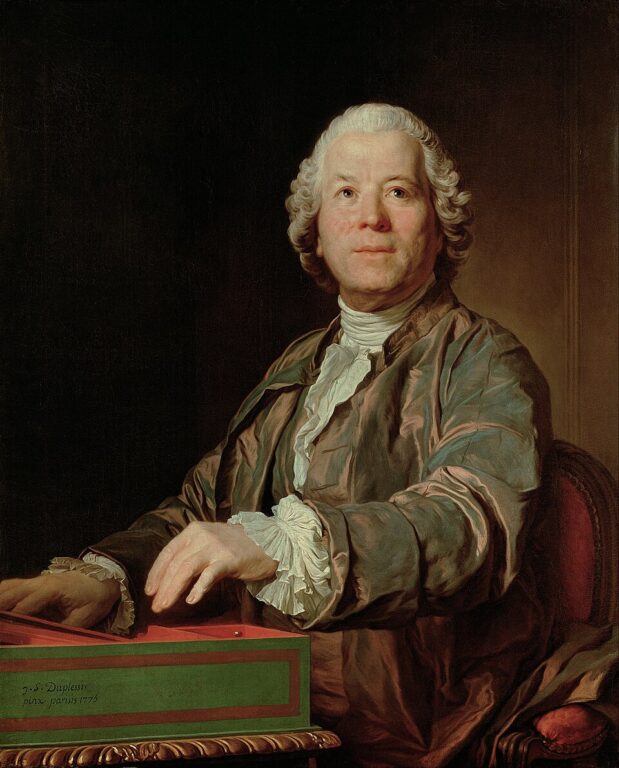
Christoph Willibald Gluck · Classification
1714 – 1787
1761 · Ballet-pantomime · Vienna
Tonality
Without a unique tone. It's a ballet in many numbers, each with its tonality. The final dance of furies is in r minor.
From the atril
Before reforming the opera, Gluck reformed the ballet. Don Juan, released in Vienna in 1761 with choreography of Gasparo Angiolini, was one of the first ballets of action, in which dance is not mere ornament but tells a dramatic story without words. The legend of the seducer who invites the statue of the man who killed and is dragged to hell to dinner was perfect for it.
For the orchestra it is a short and full of contrasts: elegant courtesan dances, a serenade, a fandango with Spanish air and, in the end, the scene of hell, a dance of the Furies of an orchestral violence unknown until then, with trémoles, vertiginous scales and brutal accents. Gluck was so satisfied that he reused her the following year in Orpheus ed Euridice. Mozart, twenty-six years later, knew this music well when he wrote his Don Giovanni.
What to hear
- The fandango, with its Spanish color.
- The appearance of the statue.
- The final dance of the Fury.
Listen
Gluck - Don Juan - John Eliot Gardiner English Baroque Soloists · The music of Mcapu
When you press the YouTube player will be loaded.

