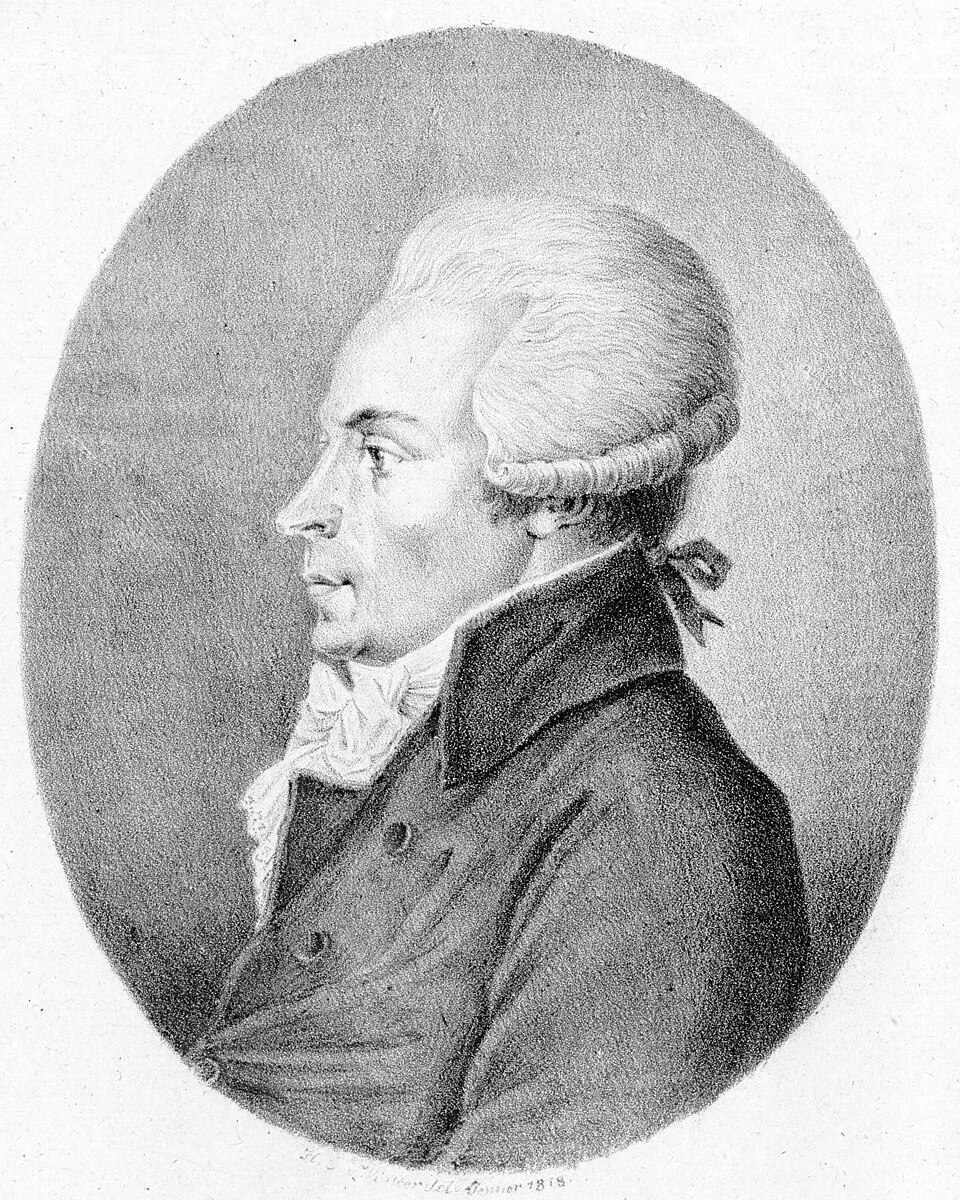
Antonio Rosetti · Classification
c. 1750 - 1792
1776 · Solists, chorus and orchestra · Wallerstein
Tonality
My biggest bemol, an unusual luminous tone for a mass of the deceased.
From the atril
Rosetti wrote this réquiem in 1776, probably because of the death of the princess of Oettingen- Wallerstein, his patron's wife. But its historical moment came fifteen years later: on December 14, 1791, in the church of St. Nicholas of Prague, a great mass was held in memory of Mozart, who died days before, and the music that sounded was this réquiem, played by more than 100 musicians.
It surprises his tone, my greatest bemol, nothing bleak for a mass of the deceased. Rosetti is not looking for the terror of the Final Judgment but for comfort: there is a warm light in the woods and the tubes, and the choir sings with a serenity that reminds Haydn more than the drama of the Mozart Requiem. The Dies irae has strength, but it never overflows. For the orchestra it is a grateful, transparent score with perfect classical proportions.
What to hear
- The warm color of the winds, so typical of Rosetti.
- An Dies irae strong but content.
- General serenity, a réquiem of comfort rather than fear.
Listen
Rosetti: String Quartet in F major, Op. 6 No. 6, Murray D14, K. IV: 2.6 [COMPLETE] · WolfgangAmadeusBach
When you press the YouTube player will be loaded.

