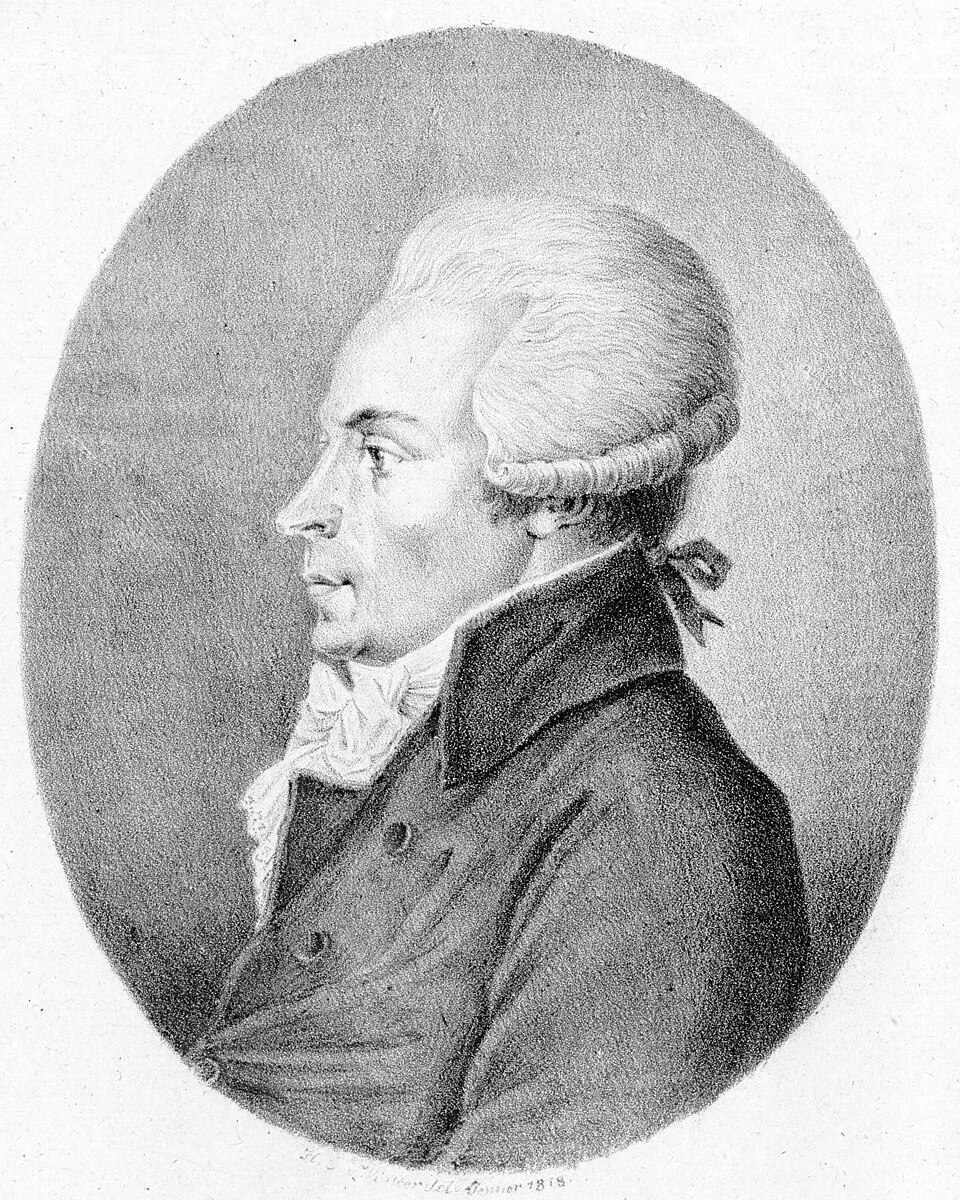
Antonio Rosetti · Classification
c. 1750 - 1792
c. 1780 · Oboe and orchestra · Wallerstein
Tonality
No tonality indicated in the title.
Instruments
- Oboe solista
- Orchestra: rope, with tubes
From the atril
Rosetti was a counterplayer, but he wrote for the winds as few of his generation. His oboe concerts, designed for the soloists of the Wallerstein orchestra, have the typical balance of the Classicism: a first wide movement with orchestral exhibition, a slow canable movement and a light ending. They share time and language with Mozart's oboe concert, and they are well on comparison.
For the oboist, the most beautiful thing is slow movement: long phrases that call for absolute control of the breath and a sweet, almost vocal sound. The orchestra accompanies with delicacy and leaves the soloist in the foreground. In rapid movements there are agility passages that sound bright without ever being mechanical. It's repertoire that would have to sound more in the rooms.
What to hear
- The slow movement, a real aria for oboe.
- The cadences of the soloist at the end of each movement.
- He rang final, light and with a touch of humor.

