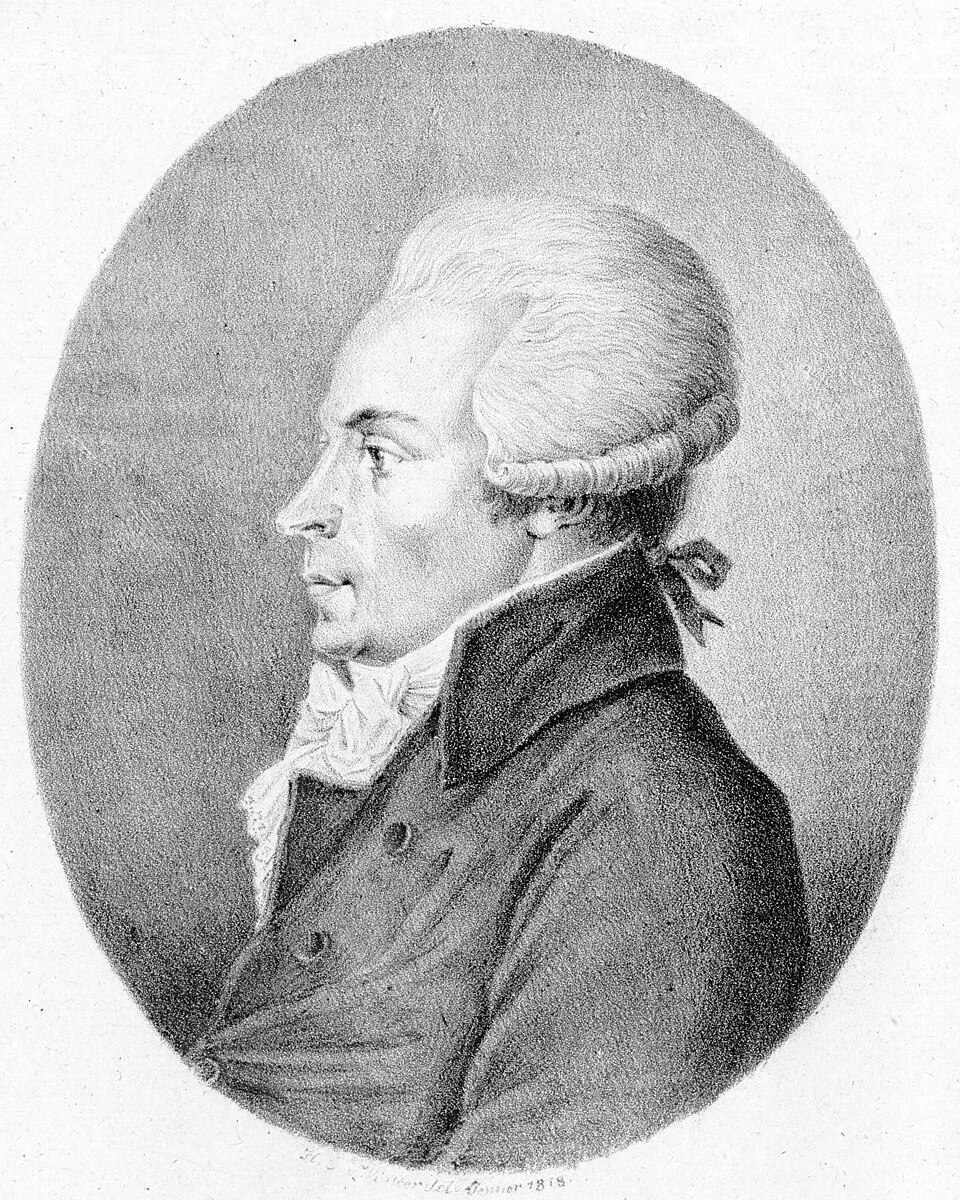
Antonio Rosetti · Classification
c. 1750 - 1792
c. 1780 - 1790 · Harbricemusik for oboes, clarinet, tubes and fages · Wallerstein
Tonality
Without a unique tone. There are several parties and each has his own.
Instruments
- Wind set (Harmony): oboes, clarinet, tubes and fages
- In some, flute and bass
From the atril
The 18th century courts often had their own band of winds, the Harmonywho played at the dinners, in the gardens and at the parties. Wallerstein's was one of the best, and Rosetti wrote for her numerous partitions: suites of various movements for oboes couples, clarinet, tubes and fages, sometimes with flute or contrafagot.
For any wind musician they are a gift. Rosetti knows the color of each instrument and combines it with a huge grace: the clarinet put warmth, the oboes glow, the deep tubes and the faggous humor. There are elegant minuets, canable romances and energetic endings. It is entertainment music in the best sense, the same tradition in which Mozart wrote his Grand Party.
What to hear
- The slow breaks, where a clarinet or oboe sings on the rest.
- The comical and agile role of the fagries.
- The whole set, designed to sound out.

