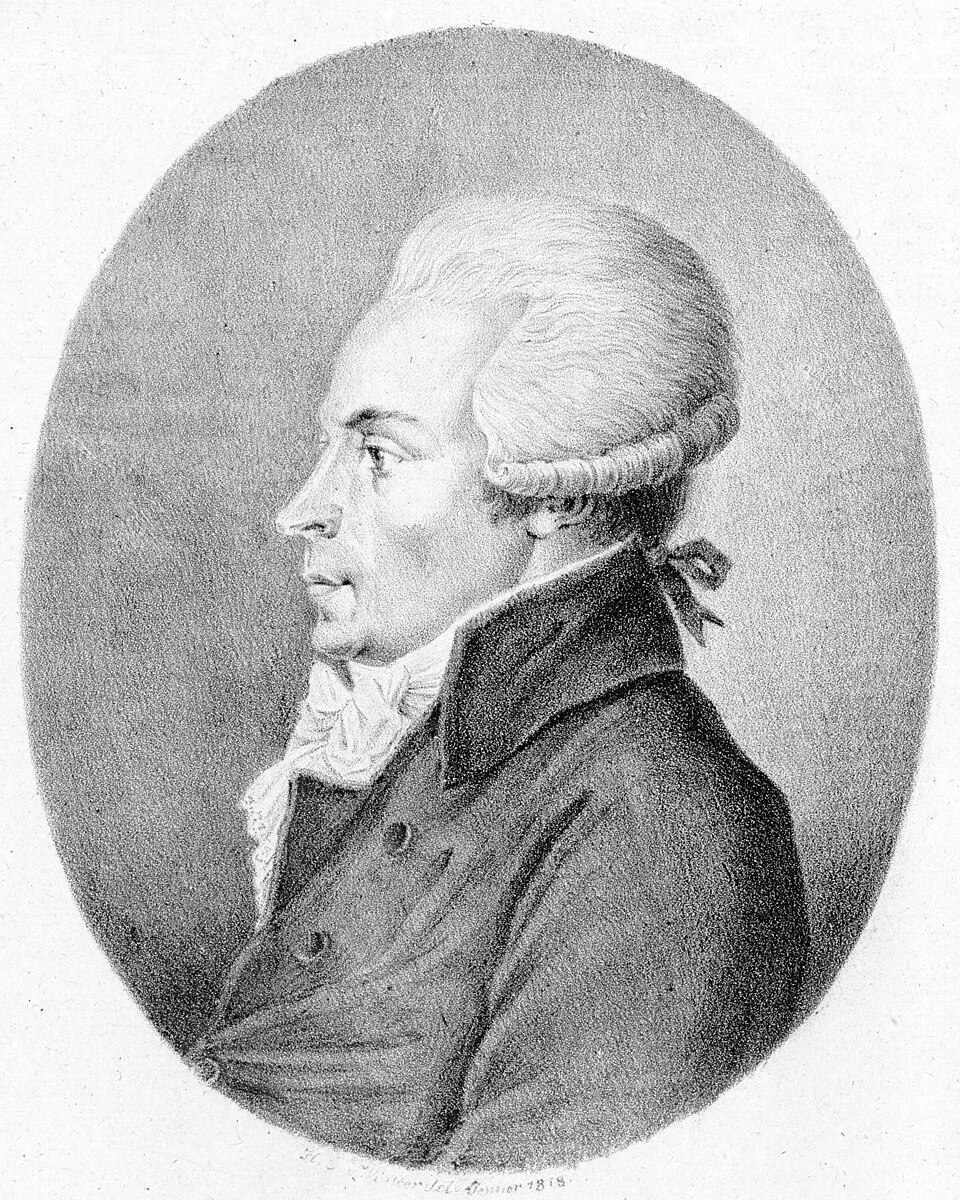
Antonio Rosetti · Classification
c. 1750 - 1792
c. 1773 - 1792 · About 40 symphonies · Wallerstein, Paris, Ludwigslust
Tonality
Without a unique tone. Rosetti wrote dozens of symphonies and each has his own.
Instruments
- Row
- Flute, oboes and fages
- Thrombas
- In some, trumpets and timbals
From the atril
Rosetti wrote about forty symphonies, and in its time they touched a lot outside of Germany: the Concert Spirit of Paris often programmed them and published in London and other capitals. They are between Haydn and Mozart in style, but with an accent of their own: a special taste for the winds, which never only fill the harmony.
Playing them in an orchestra is a team pleasure. The first movements have strong energy and dynamic contrasts, the slow ones are canable and often trust the melody to the flute or oboe, and the minuets have a very nice rustic air. They are synphonies without pretensions of greatness, but with an impeccable profession, ideal to discover that the Classicism was much more than three names.
What to hear
- The flute and oboe solos in slow movements.
- The forte and piano contrasts in the first movements.
- The minuets with a peasant taste.

