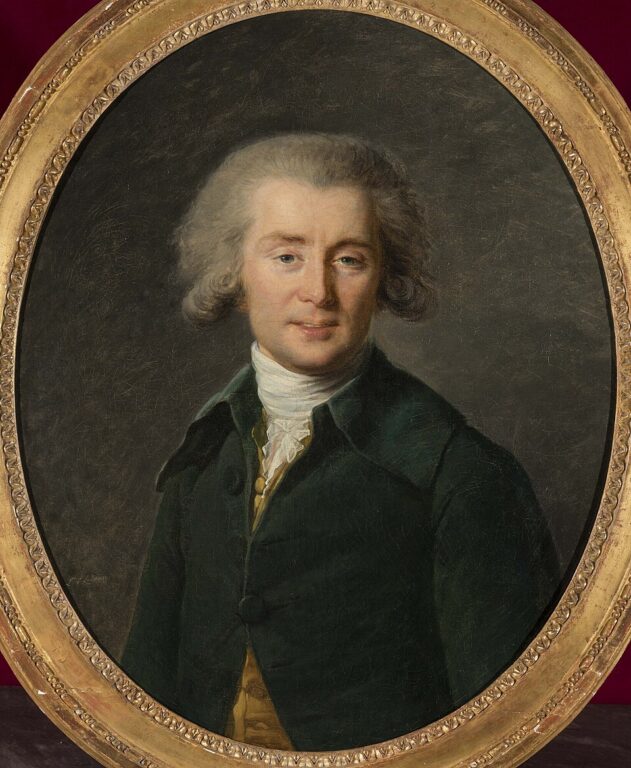
André Grétry · Classification
1741 – 1813
1784 · Opéra- comique · Comédie-Italienne, Paris
Tonality
Without a unique tone. Like all opéra- comique, it runs a lot of tonalities along its arias and ensembles.
From the atril
With Michel- Jean Sedaine's libretto, it is the masterpiece of Grétry. The legend of the "Blondel" trovator, who is looking for his king, Ricardo Corazón de León, a prisoner in a castle in Austria, tells us and finds him singing under the walls a song that only the two of them know. It is one of the first examples of «rescue opera», the gender that would culminate in the Fidelium from Beethoven.
That song, Une fièvre brûlante, returns over and over again throughout the work as a thread that unites the characters, and is one of the first times that a recurring musical motif is used in the opera. The aria of Blondel ♪ Richard, mon roi ♪ became a monarchical anthem during the Revolution. Beethoven wrote some piano variations about Une fièvre brûlante, and Chaikovski quoted another aria of the opera in The lady of spades.
What to hear
- The song Une fièvre brûlante and each of his reappearances.
- The aria ♪ Richard, mon roi ♪, turned into a political symbol.
- The scene of the final assault on the castle.

