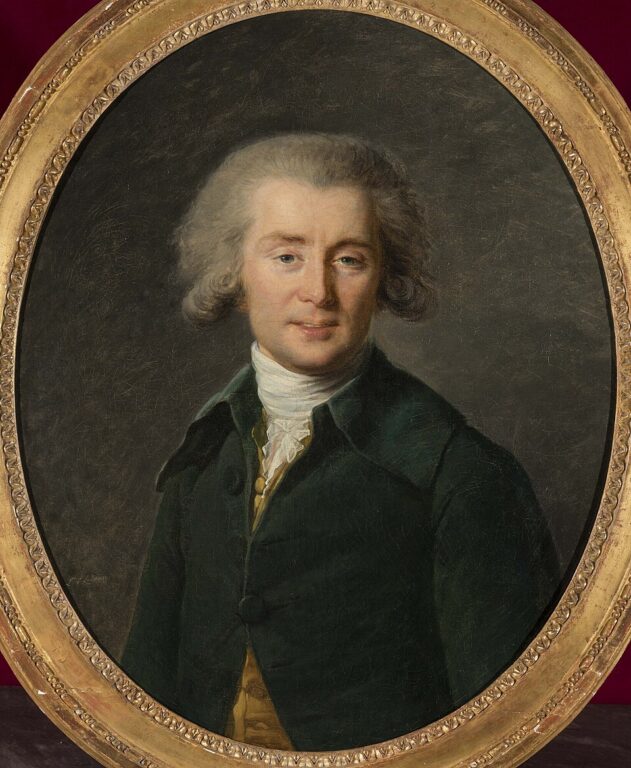
André Grétry · Classification
1741 – 1813
1791 · Drame lyrique · Paris
Tonality
Without a unique tone. Like every opera, he goes through many tonalities throughout his scenes, arias and chorus.
From the atril
In the middle of the Revolution, Grétry and Sedaine staged the story of the Swiss hero who rebels against the tyrant Gessler. In 1791, the issue of the freedom of a people in the face of oppression had an absolute present, and the work was a patriotic success. Almost forty years later, Rossini would write his own Guillaume Tell about the same legend.
The most interesting thing for the musician is the local alpine color. Grétry introduces Swiss inspired melodies, such as the ranz des vachesthe call of the pastors to the cows, and seeks a mountain environment with echoes and pastoral air. It is a transition opera, which already looks to Romanticism in its taste for the landscape and the popular, although it retains the melodic clarity of the Grétry style.
What to hear
- The Alpine melodies and the ranz des vaches.
- The patriotic chorus, very in the spirit of 1791.
- The pastoral tone that anticipates the romantic landscape.

