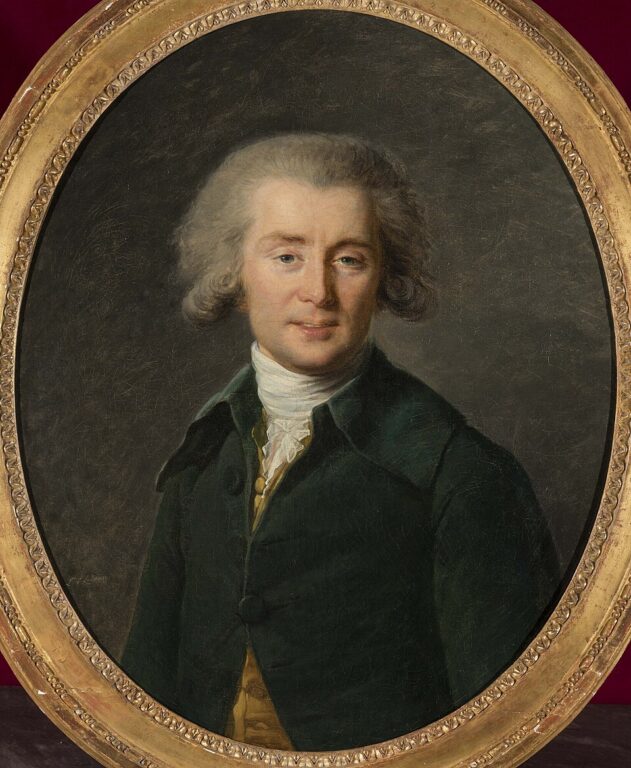
André Grétry · Classification
1741 – 1813
1780 · Tragédie lyrique · Paris Opera
Tonality
Without a unique tone. Like all tragédie lyrique, he goes through many tonalities throughout his scenes, dances and chorus.
From the atril
In the middle «war» between Gluck and Piccinni's supporters at the Paris Opera, Grétry dared with the tragedy of Racine: Andromaca, widow of Hector, captive of Pirro and threatened by the jealousy of Hermíone. It is a serious, intense work, very influenced by the reform of Gluck, with recites accompanied by the orchestra and chorus that comment on the action.
Its most original feature fascinates any flautist: Grétry decided that all of Andromaca's recites should be accompanied by three flutes, like a sound halo that identifies heroin every time it speaks. It is an idea of instrumental color advanced to its time, almost a puppet leitmotiv. The work was recovered on stage a few years ago and revealed a tragic Grétry of great strength.
What to hear
- The three flutes that always accompany Andromaca.
- The recites accompanied, with great dramatic tension.
- Hermíone's fury scenes.

