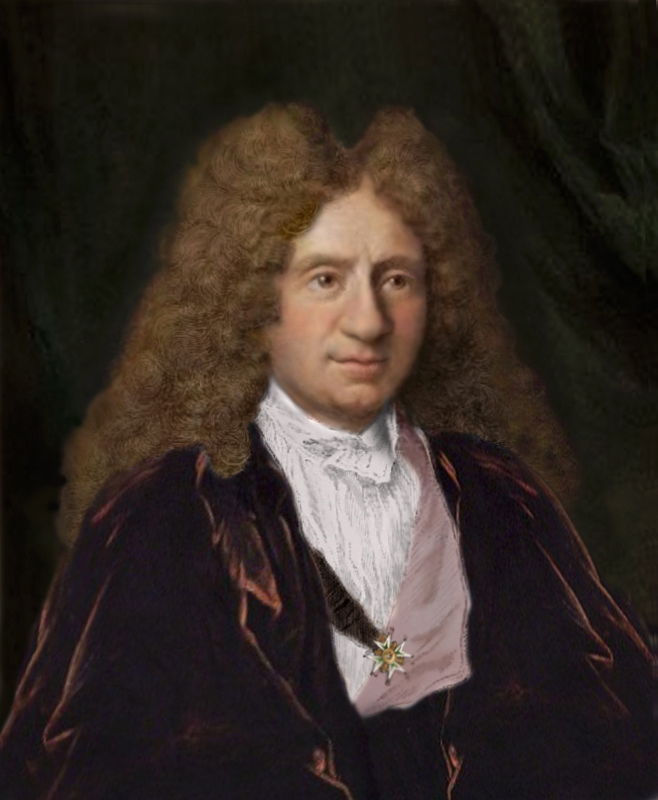
Michel- Richard de Lalande · Baroque
1657 – 1726
1690 · Great motor · Saint- Denis
Tonality
Without a single tone indicated in the title. It is a great motete in several sections that follow the strokes of the sequence, within a general climate to a lesser mode.
Instruments
- Sail to five parts (violins, violas and bass)
- Flutes and oboes
- Continuous low (organ)
From the atril
The Dies irae («Day of anger») is the sequence of the mass of the deceased that describes the Final Judgment. Lalande put it in music in 1690 for the exequias of the Delfina, Maria Ana Victoria of Bavaria, daughter-in-law of Louis XIV, held in the basilica of Saint- Denis, pantheon of the kings of France.
The text, full of terrible images (the trumpet that summons the dead, the book where everything is written, the tremor of sinners), offers Lalande the opportunity to write some of its most dramatic pages. The chorus have an imposing force, with marked rhythms and tense harmonies, while the soloists' pleas, such as the «I'll remember» or «Lacrimosa»They are of a very French tenderness and melancholy. The orchestra accompanies with gravity, with no superfluous effects. It is one of Lalande's most moving great motetes, and a sample of the drama that the sacred music of Versailles could achieve.
What to hear
- The dramatic strength of the chorus.
- The pleas of «I'll remember».
- The melancholy of «Lacrimosa».

