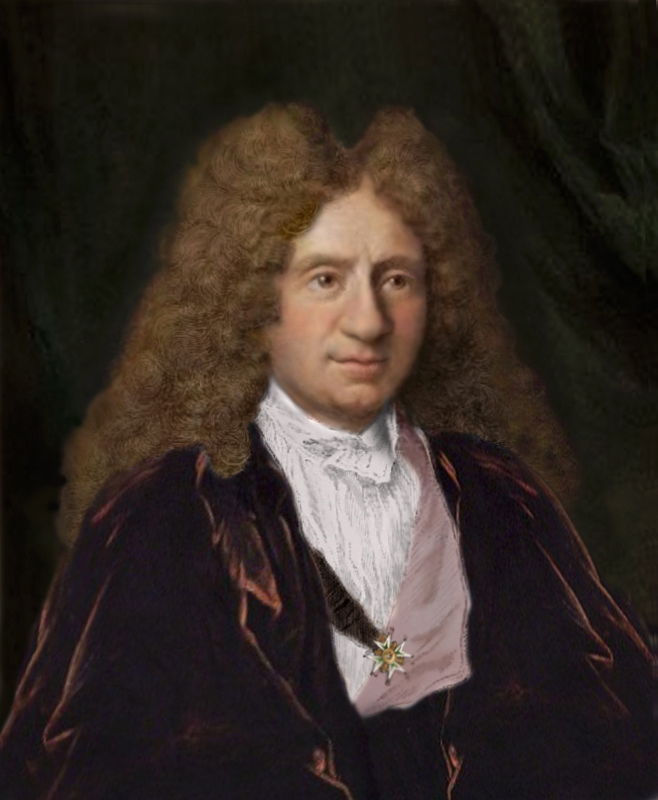
Michel- Richard de Lalande · Baroque
1657 – 1726
Tenth of 1680 · Great motor · Versailles
Tonality
Without a single tone indicated in the title. It is a great motete in several sections that follow the verses of the psalm, within a general climate to a lesser mode.
Instruments
- Sail to five parts (violins, violas and bass)
- Flutes and oboes
- Continuous low (organ)
From the atril
The Psalm 50, «Miserere mei, Deus» («Have mercy on me, O God.»), is the great penitential psalm, especially associated with Holy Week. The Miserere de Lalande was one of his most famous works: it was sung in Versailles and, after his death, continued to be played for decades at the Concert Spirituel in Paris, France's main series of public concerts in the 18th century.
Lalande translates the confession of guilt and the plea of forgiveness of the psalm into a music of great inner intensity. The chorus have a noble gravity, with rich harmonies and moments of almost theatrical expressivity, while the numbers for soloists are of an intimate lyrism, sometimes with a forced instrument that dialogue with the voice. The balance between personal emotion and liturgical solemnity is perfect. It is a work that shows why Lalande was considered throughout the 18th century the undisputed master of the great French motete.
What to hear
- The noble gravity of the choirs.
- The numbers for soloists with required instrument.
- The balance between emotion and solemnity.

