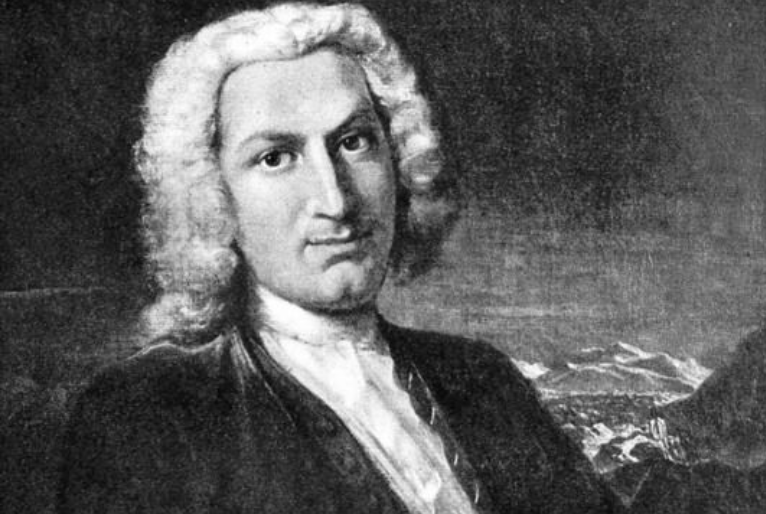
Jan Dismas Zelenka · Baroque
1679 – 1745
1730 · Oratory · Dresden
Tonality
Without a unique tone. Like all oratoriums, he goes through many tonalities along his aryan, chorus and recitation.
Instruments
- Solo voices and chorus.
- Rope Orchestra, with winds in some numbers.
- Under continuous.
From the atril
Il serpente di bronzo is an oratory for the Holy Week of 1730 in the court of Dresden. It tells an episode of the book of Numbers: the people of Israel, punished with a plague of snakes for murmuring against God, are saved by looking at the bronze serpent that Moses raises on a banner, an image that the Christian tradition relates to the cross.
I can INTEREST you.

It is a brief work, with text in Italian, in which Zelenka adopts the style of the Neapolitan opera of fashion, with recites and arias gives capo for the characters, Moses, God, an angel and members of the people. But the writing remains unmistakably his: restless harmonies, highly worked instrumental accompaniments and an intense expression of repentance and fear. Some Aryan, with forced instruments, are true jewels. It's a good way to get to know the most theatrical Zelenka.
What to hear
- The initial symphony.
- The Aryans with a binding instrument.
- The final choir.

