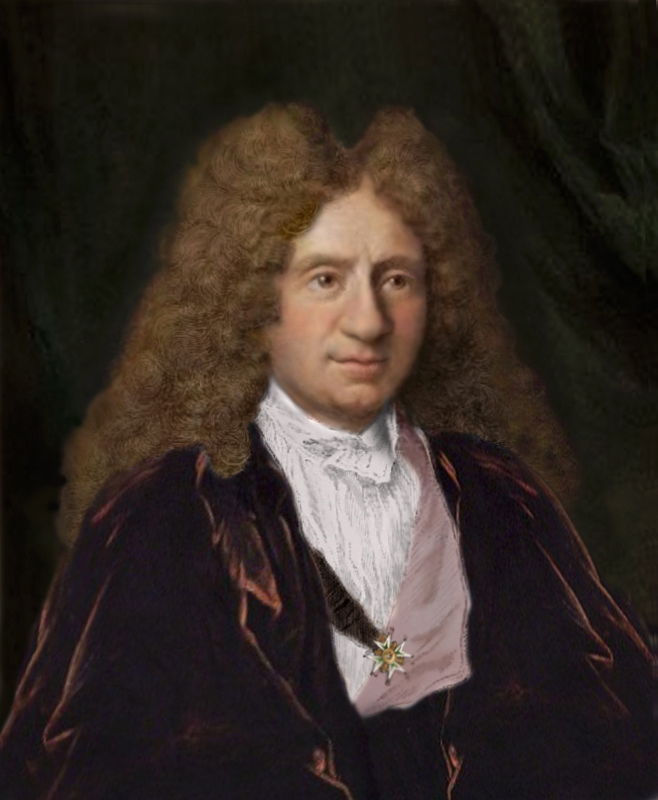
Michel- Richard de Lalande · Baroque
1657 – 1726
1689 · Great motor · Versailles
Tonality
Without a single tone indicated in the title. It is a great motete in several sections that follow the verses of the psalm, within a general climate to a lesser mode.
Instruments
- Sail to five parts (violins, violas and bass)
- Flutes and oboes
- Continuous low (organ)
From the atril
Psalm 129, «De depth clamavi ad te, Domine» («From the deep to you I cry, Lord»), is the great prayer for the deceased of the Catholic liturgy. Lalande put music on him in 1689 in one of his most admired great motetes, which was sung in numerous funeral ceremonies of the French court.
I can INTEREST you.

It is a serious and deeply expressive work. From the first chorus, which comes out of darkness with painful harmonies, Lalande translates every verse of the Psalm with an extraordinary sensitivity: there are passages of supplication for soloists, of light hope and of recollection. Disonances are used with great effect to express pain, and chorus have a very French density and nobility. The end, with the «Requiem aeternam», reaches a moving serenity. For a Baroque choir, it is a demanding work in nuances and in tune, and of intense beauty.
What to hear
- The initial choir, which arises from the darkness.
- The painful dissonances.
- The serenity of «Requiem aeternam» end.
Listen
Michel-Richard Delalande: 'De depth clamavi', Grand Motet S.23 · E.V
When you press the YouTube player will be loaded.

