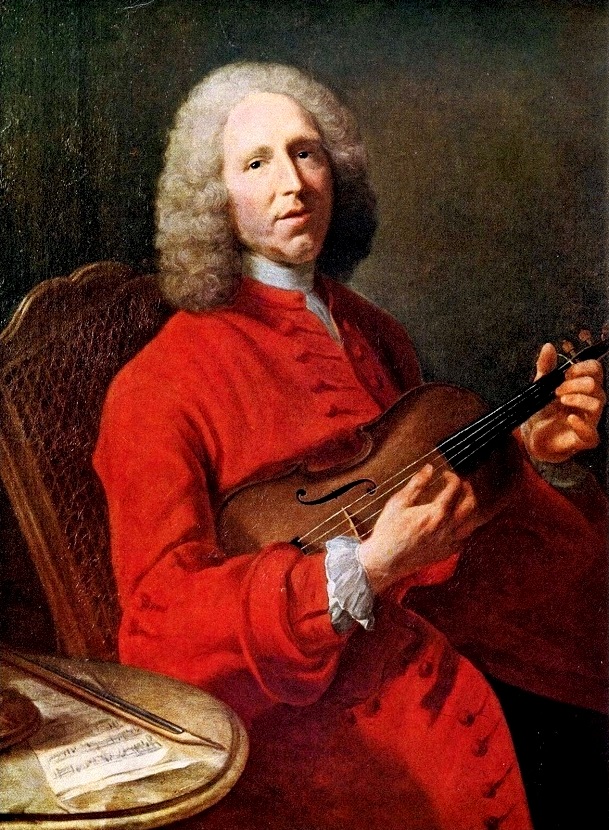
Jean- Philippe Rameau · Baroque
1683 – 1764
1735 · Opera-ballet · Paris, Opera
Tonality
Without a unique tone. Like all opera- ballet, it goes through many tonalities along its entrances, dances and chorus.
Instruments
- Rope (violins, violas and bass)
- Flutes, oboes and fages
- Continuous low (key)
From the atril
Les Indes galantes, released in 1735, is an opera-ballet: it does not tell a single story, but several «Entries» independent, united by a common theme, love in distant lands. The «Indies» are here all the exotic: Turkey, Peru of the Incas, Persia and the meadows of North America.
I can INTEREST you.

Exotism is imaginary, but music is extraordinary. At the entrance of the Incas, a volcanic eruption and an earthquake give rise to one of the most spectacular orchestral scenes in Baroque. At the last entrance, «Les Sauvages», Rameau reuses its piece for key of the same name in the «Danse du grand calumet de la paix»with his irresistible rhythm and the chorus «Forêts paisibles». It is a work of pure pleasure, of dances, colors and melodies, which has returned to the stage with very celebrated productions.
What to hear
- The earthquake at the Inca entrance.
- The «Danse du grand calumet de la paix».
- The choir «Forêts paisibles».

