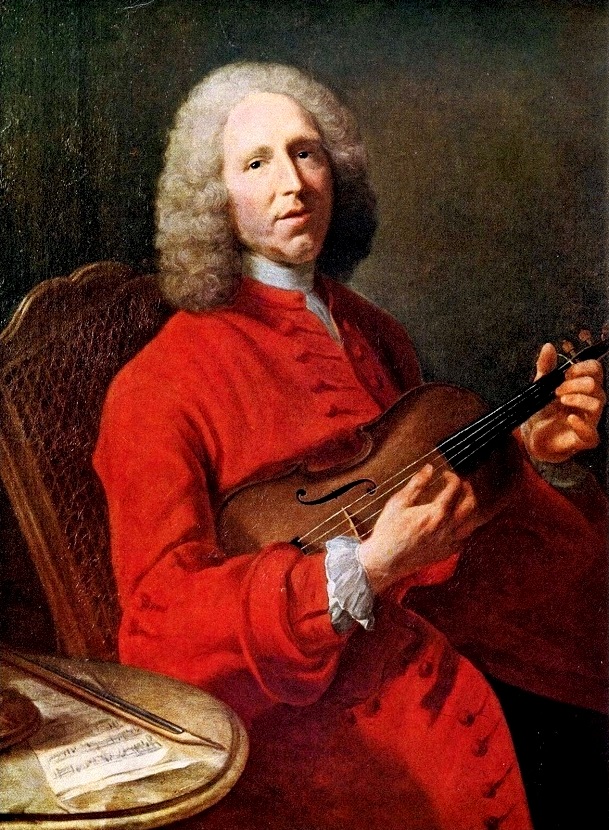
Jean- Philippe Rameau · Baroque
1683 – 1764
1737 · Tragédie en musique · Paris, Opera
Tonality
Without a unique tone. Like all tragédie in musique, he goes through many tonalities along his scenes, dances and chorus.
Instruments
- Rope (violins, violas and bass)
- Flutes, oboes and fages
- Continuous low (key)
From the atril
Castor et Pollux, released in 1737 with a libretto by Pierre- Joseph Bernard, is one of Rameau's most admired tragedies. The myth of the divine twins tells us: when the mortal Custor dies, his immortal brother Pólux descends to the unbelievers and offers his own life to return him to the earth. Rameau thoroughly revised it in 1754, and that second version was the one most represented.
I can INTEREST you.

It is a work on fraternal friendship and sacrifice, and its most famous page is the aria of Télaïre, the beloved of Caesar, before his grave: «Tristes apprêts, pâles flambeaux», a lament about an accompaniment of fagot and strings of a desolate beauty, considered one of the summits of the French opera. The fall to the hell, with their demons, and the scene of the Champs Elysées, with their serene and luminous music, offer two opposite sound worlds that Rameau has mastered.
What to hear
- «Tristes apprêts, pâles flambeaux».
- The scene of the hell.
- The Champs-Elysées scene.

