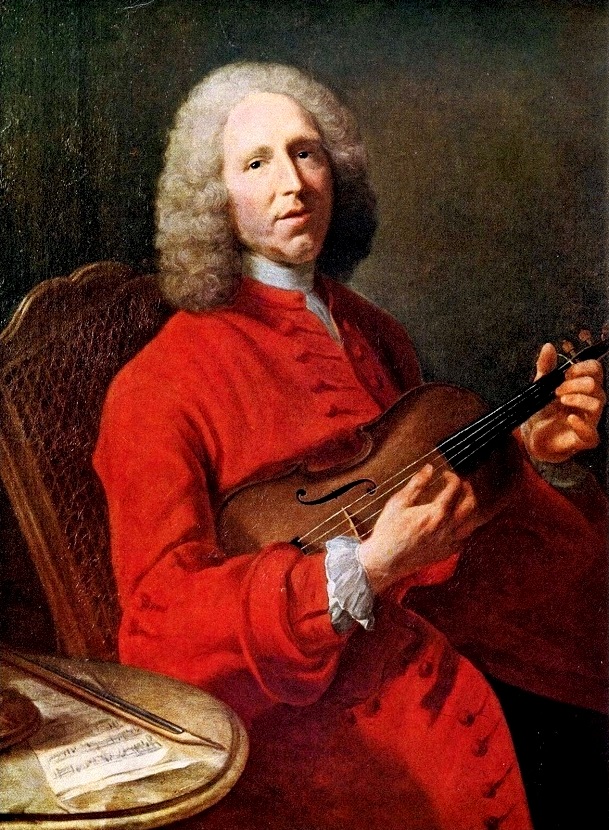
Jean- Philippe Rameau · Baroque
1683 – 1764
1733 · Tragédie en musique · Paris, Opera
Tonality
Without a unique tone. Like all tragédie in musique, he goes through many tonalities along his scenes, dances and chorus.
Instruments
- Rope (violins, violas and bass)
- Flutes, oboes and fages
- Continuous low (key)
From the atril
Rameau was fifty when he premiered his first lyrical work at the Paris Opera, Hippolyte et Ariciein 1733. Based on Fedra de Racine, tells the love of Hipólito and Aricia and Fedra's guilty passion for his stepson. The premiere made sense: some were dazzled, some were scandalized by a music that seemed too complicated, and the rivalry was born between «ramists» and Lully's supporters.
I can INTEREST you.

Rameau retains the structure of Lully's tragedy, but it is filled with unprecedented harmonic and orchestral wealth. The most famous moment is the Parcas trio in the second act, in hell, with enharmonic modulations so bold that the premiere singers were not able to sing it and it had to be deleted. The dances, the storm and the scene of the hunt have an irresistible vitality, and the lament of Fedra, «Quelle plainte en ces lieux»It's of great tragic intensity.
What to hear
- The Parcas trio of the second act.
- Fedra's lament.
- The dances and the hunting scene.

