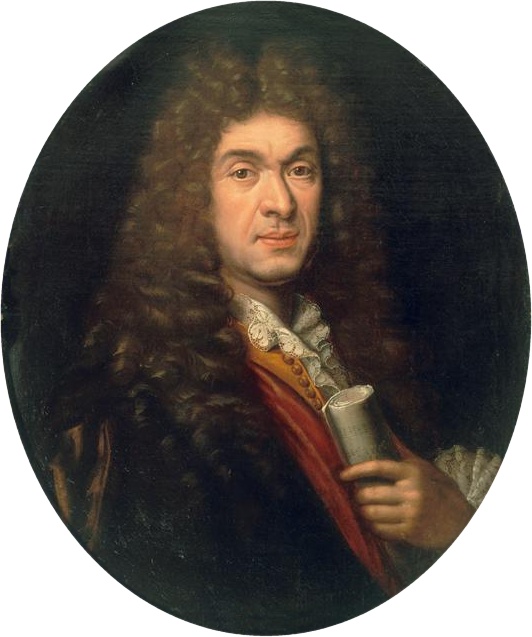
Jean- Baptiste Lully · Baroque
1632 – 1687
1673 · Tragédie en musique · Paris
Tonality
Without a unique tone. Like all tragédie in musique, he goes through many tonalities along his scenes, dances and chorus.
Instruments
- Sail to five parts (violins, three parts of violin and violin bass)
- Flutes
- Oboes and fages
- Continuous low (key, tiorba and violas da gamba)
From the atril
Cadmus et Hermione, released in Paris in 1673, is the first tragédie en musique, the French opera model that Lully created next to the librettist Philippe Quinault and that would dominate the scene for a century. A year earlier, Lully had obtained from the king the monopoly of opera in France.
The work counts, in a prologue and five acts, how the hero Cadmo, founder of Tebas, overcomes a dragon and giants to conquer Hermíone. Lully establishes the rules of gender here: a flexible recital that follows the decline of the French-speaking tragedy, short arias, chorus, great scenes of theatrical machinery and abundant dances. It still retains comic elements, which will disappear in the following works. It is a more important opera so it inaugurates than by its perfection, but it has moments of great nobility.
What to hear
- The overture, French style.
- The recitation, always adjusted to the claim.
- The dances and the choirs.

