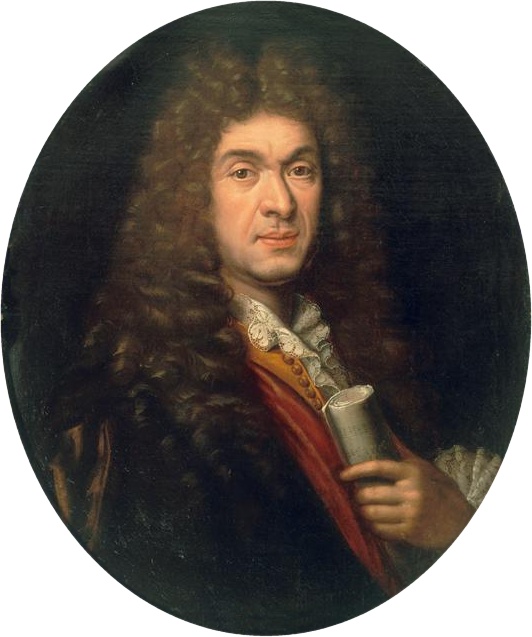
Jean- Baptiste Lully · Baroque
1632 – 1687
1674 · Tragédie en musique · Paris
Tonality
Without a unique tone. Like all tragédie in musique, he goes through many tonalities along his scenes, dances and chorus.
Instruments
- Sail to five parts (violins, three parts of violin and violin bass)
- Flutes
- Oboes and fages
- Continuous low (key, tiorba and violas da gamba)
From the atril
Alceste, ou Le triomphe d'Alcide It was released in 1674 and was the second tragedy of Lully and Quinault. It is based on the myth of Alcestes, the queen who agrees to die instead of her husband Admeto and is rescued from the underworld by Hercules. Its premiere unleashed a controversial literary sour, the «Alceste's complaint»between the advocates of the classical tragedy and those of the new opera.
Musically, the work gains in dramatic strength with respect to Cadmus. There are great scenes in the whole, such as the battle and siege of the second act, with trumpets and timbals, and moments of intense emotion, such as the lament for the death of Alcestes, with great beauty of funeral choirs. The fall of Hercules to hell allows Lully to display spectacular theatrical and musical effects. The prologue, in honor of Louis XIV, is a good example of the ceremonial greatness of the court.
What to hear
- The scene of the battle of act two.
- The funeral lament for Alcestes.
- The descent of Hercules to hell.

