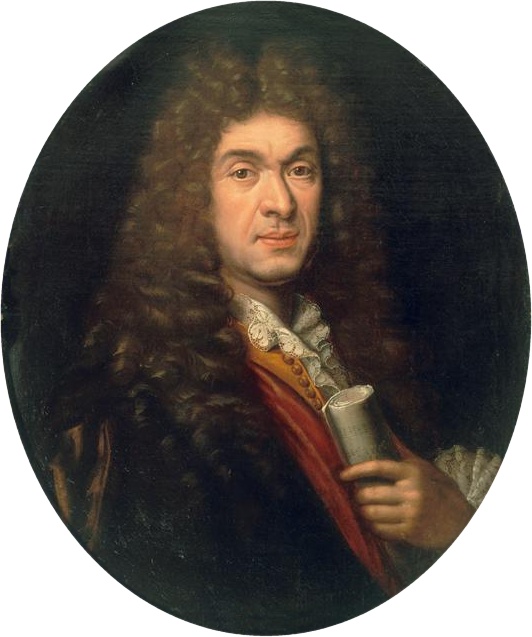
Jean- Baptiste Lully · Baroque
1632 – 1687
1676 · Tragédie en musique · Saint- Germain- en-laye
Tonality
Without a unique tone. Like all tragédie in musique, he goes through many tonalities along his scenes, dances and chorus.
Instruments
- Sail to five parts (violins, three parts of violin and violin bass)
- Flutes
- Oboes and fages
- Continuous low (key, tiorba and violas da gamba)
From the atril
Atys was released before the court in Saint-Germain-en-laye in 1676 and soon won the nickname of «the opera of the king», for how much Louis XIV liked it. With Quinault's libretto, he tells the tragic story of Atis, loved by the goddess Cibeles, who falls in love with the Nympha Sangáride. Cibeles, jealous, makes him crazy, and Atis kills his beloved without recognizing her.
I can INTEREST you.

It's Lully's darkest and most emotional tragedy. Its most famous page is the scene of the Dream, in the third act: the divinities of sleep sing about an accompaniment of flutes and cords with satico, in a hypnotic music, suspended, which was imitated for decades. In 1987, a legendary production by William Christie and Les Arts Florissants returned Atys to the scenarios and triggered the modern rediscovery of the French baroque opera.
What to hear
- The dream scene, in the third act.
- The monologue of Cibeles, «Espoir si cher et si doux».
- Atys' final lament.
Listen
Lully: Atys (Christie, Villégier, 1987) full version / version complète · Bons plans Classique
When you press the YouTube player will be loaded.

