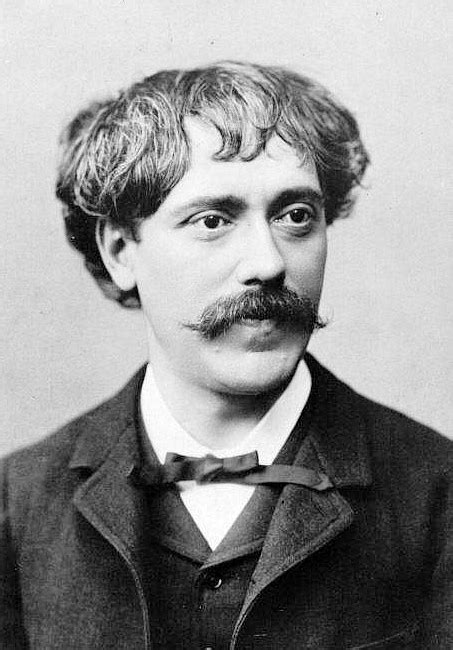
Pablo Sarasate · Romanticism
1844 – 1908
Op. 27 · Violin and piano · Paris
Tonality
No tonality indicated in the title.
From the atril
The jota is the Spanish dance par excellence of the 19th century, and composers from all over, from Glinka to Liszt, used it as a symbol of Spain. Sarasate, Navarro, knew her as a child, and in her Jota aragonesa op. 27 it became a brilliant concert piece for violin and piano, written in the years of her great international fame.
After an introduction that creates expectation, the rhythm of the jota is ternary and leaping, with its unmistakable energy. Sarasate alternates the more canable coils with the fast stribbles, and in each turn adds new difficulties: double strings that imitate the guitars and banduries of the rondallas, pizzicates, harmonics and passages in the higher positions. The piano is not a simple companion, but provides the rhythmic color of the popular percussion. It is a work full of joy and pride for itself, and a great piece to close a concert with the standing audience.
What to hear
- The ternary and jumping rhythm of the jota.
- The double strings that imitate the hordallas.
- The alternation of coils and chills.

