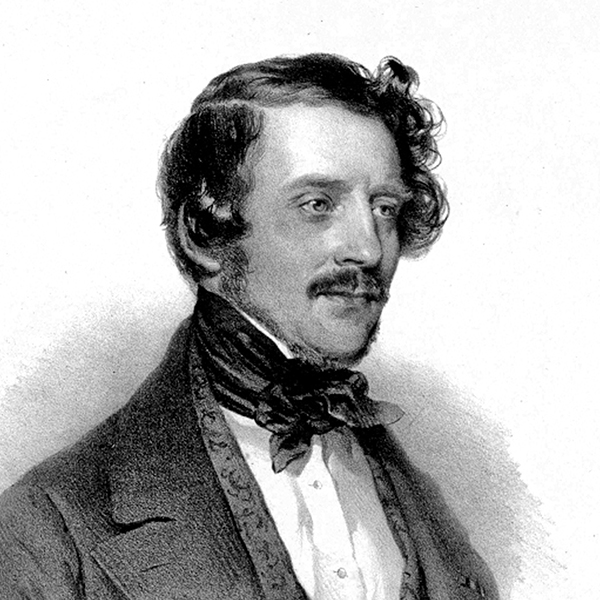
Gaetano Donizetti · Romanticism
1797 – 1848
1832 · Melodramma giososa · Milan
Tonality
Without a unique tone. Like every opera, it goes through many tonalities along its aryan, chorus and scenes.
From the atril
According to tradition, Donizetti wrote L'elisir d'amore In just two weeks for the Teatro della Canobbiana in Milan, where it premiered in 1832. Nemorino, a naive peasant, buys a walking charlatan, Dr. Dulcamara, a «love elixir» to conquer the rich and capricious Adina. The elixir is simple from Bordeaux, but love ends up triumphing.
It's a comedy with heart, and there's your genius. Dulcamara has a screwy entrance, a low buff trabalenguas, and the pace of action is agile and bright. But in the second act, Nemorino sings «A sore furtive», with a lone fagot as an introduction: a break of pure melancholy, in minor tone, which has become one of the arias of the most loved tenor. The tenor must sing it with half a voice and an impeccable line.
What to hear
- The entrance of Dulcamara, «Udite, udite, or rustici».
- The fagot that introduces «A sore furtive».
- The agile rhythm of the comic sets.
Listen
Donizetti - L'elisir d'amore (Villazón, Netrebko) Full Opera (sub-Spanish) · Daniyyel Barrera
When you press the YouTube player will be loaded.

