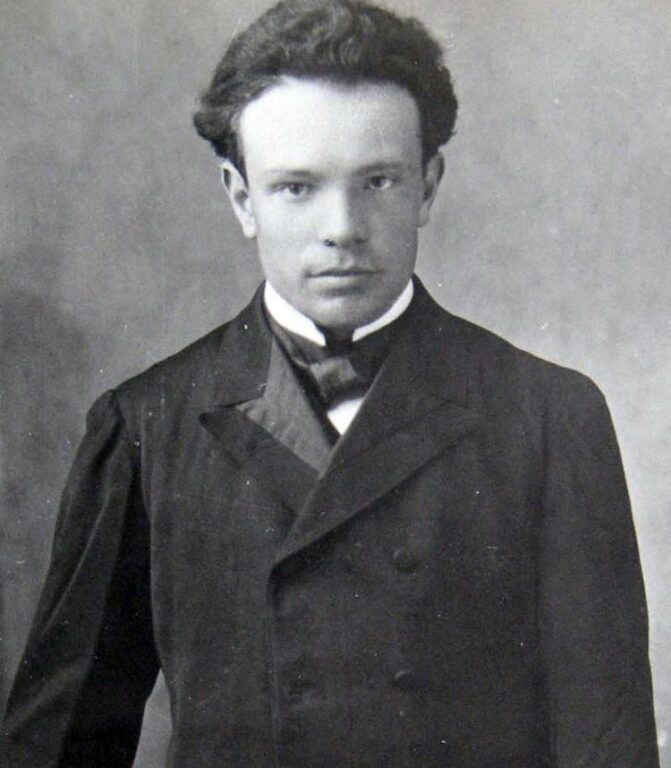
Ottorino Respighi · Impressionism
1879 – 1936
1928 · Symphonic poem · Rome
Tonality
Without a unique tone. Its four parts portray four Roman parties and each has its own harmonic color.
From the atril
Feste romane, completed in 1928 and premiered by Toscanini in New York the following year, closes the Roman trilogy. It is the most extensive, the noisy and the one that requires the largest orchestra: in addition to a huge template, it includes organ, bucinas, mandolin and an abundant percussion. Respighi runs four Rome parties throughout history.
«Circenses» He evokes the games of the circus in Nero's time: the fanfare of the public are mixed with the singing of the Christian martyrs, while the beasts roar, in one of the most brutal pages of orchestral music. «The Jubilee» It shows the medieval pilgrims who come to Rome and burst in joy when they see the city, with bells on the flight. «The Ottobrata» celebrates the October harvest parties, with hunting tubes and a charming mandolin serenade. «The Befana», in Navona Square on the eve of Reyes, it is a festive chaos of popular songs, organillos and dances that ends in a frenzy. It is an excessive and fascinating work, and a challenge for any orchestra.
What to hear
- Violence against women «Circenses».
- The mandolin serenade of «The Ottobrata».
- The final festive chaos of «The Befana».

