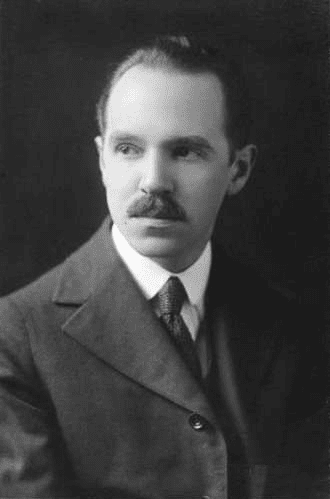
Charles Tomlinson Griffes · Impressionism
1884 – 1920
1918 · Piano alone · New York
Tonality
No tonality indicated in the title. Its very dissonant harmony is based on synthetic scales created by Griffes himself.
From the atril
If the Griffes of the Roman Sketches He is a sensual impressionist, that of this sonata is a composer who already looks to modernity. Written in 1918 and revised the following year, it is an intense and concentrated work, in three sections that are played without pause, built on synthetic scales invented by the composer himself and very dissonant harmonies.
For the pianist it is a demanding and exciting work. The first movement is feverish and obsessive, with irregular rhythms and hammered chords. The slow movement is strange and mysterious, like a meditation without a tonal center, and the end is a dizzy race that accumulates tension to a brutal climax. You can see Scriabin's print, but also a very American energy. It's one of America's great piano sonatas, a pity Griffes didn't live to follow this path.
What to hear
- The irregular rhythms of the first movement.
- The mysterious meditation of slow movement.
- The dizzy race of the end.

