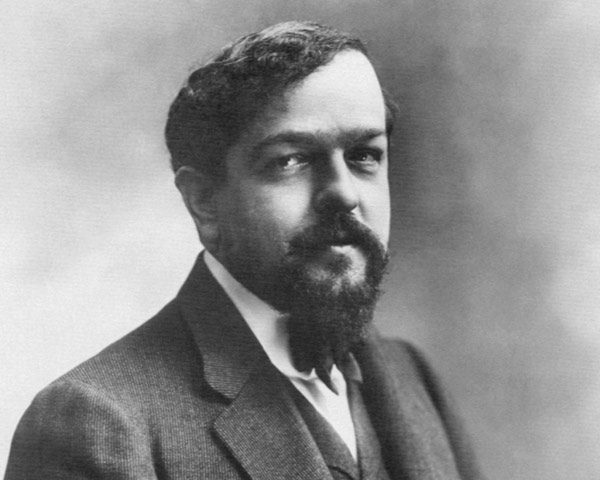
Claude Debussy · Impressionism
1862 – 1918
1894 · Orchestra · Paris
Tonality
No stable tonality. The initial flute solo is chromatically glided without any affirmation; the work is at the end of the My major.
From the atril
Inspired by a poem by Stéphane Mallarmé, this prelude of just ten minutes evokes a faunal who, in the heat of the afternoon, remembers or dreams of his encounter with a few nymphs. Pierre Boulez said that with the flute of the fauno began modern music, and did not exaggerate: here there is no development of themes in the classic way, but a music that flows freely, with harmonies that float unsolved. In 1912 Nijinsky turned it into a ballet that scandalized Paris.
For a flautist, the initial single is one of the most desired and feared moments of the repertoire: a chromatic line that descends and rises, without accompaniment, in the medium-serious record of the instrument, where the sound is more veiled. You have to touch it with total freedom but without losing your pulse, and without breathing in the middle of the sentence if possible. Then the harps, the distant tubes and the divided rope enter. From the inside, the orchestra seems to breathe like a single numb body.
What to hear
- The flute solo, no accompaniment.
- The answers of harps and tubes.
- The ancient cymbals of the final compass.
Listen
Debussy: Prélude à l'après-midi d'un faune, CD 87a · Berliner Philharmoniker
When you press the YouTube player will be loaded.

