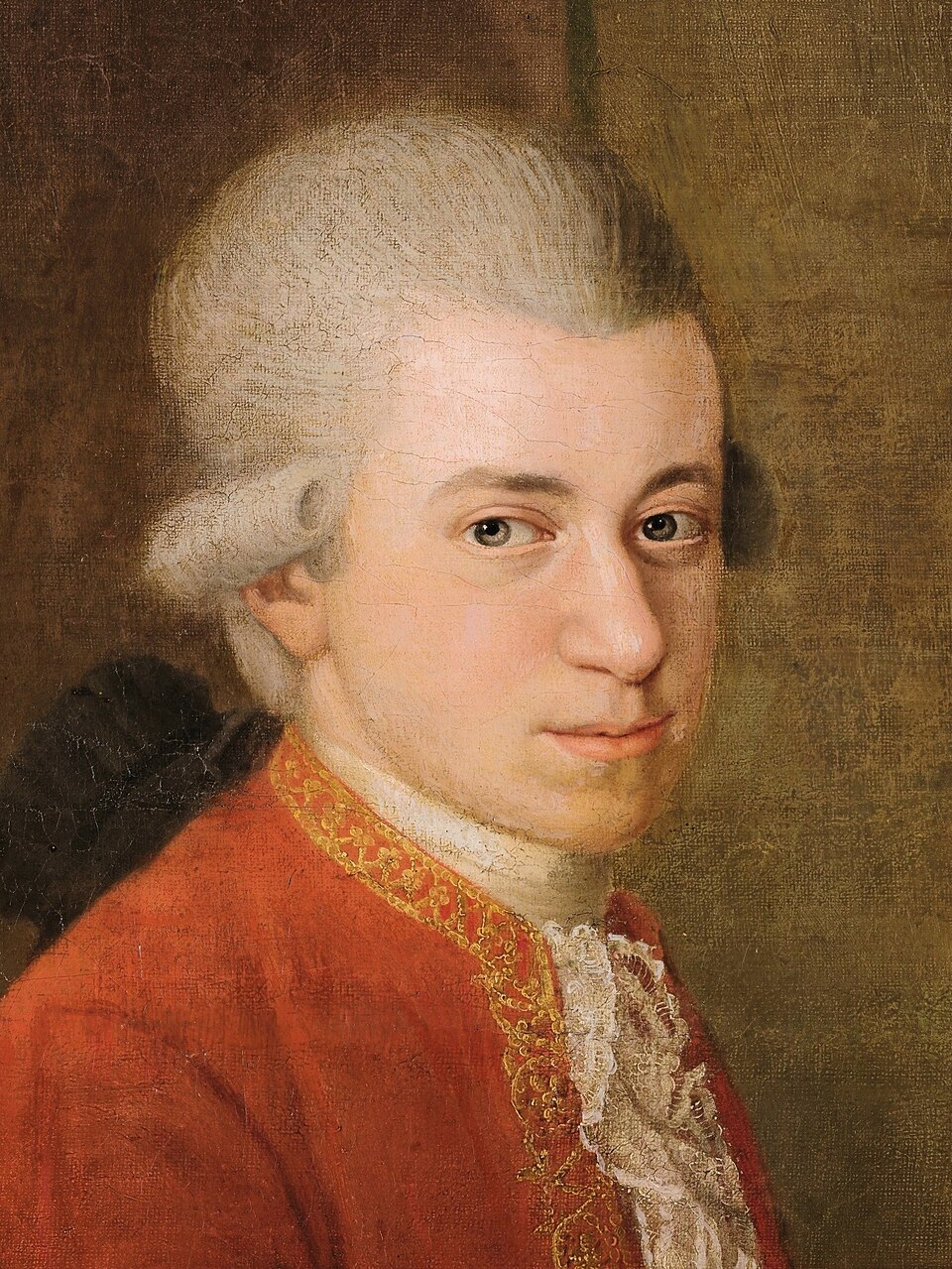
Wolfgang Amadeus Mozart · Classification
1756 – 1791
1785 · Concert for piano · Vienna
Tonality
Do major. The famous central Andante is in fa major.
Instruments
- Piano solista
- Flute
- 2 oboes
- 2 fages
- 2 tubes
- 2 trumpets and timbals
- Rope (violins, violas, cello and contrabajes)
From the atril
The K. 467 Major Concert was completed in March 1785, just a month after the dramatic K. 466 Major Concert. Mozart was at the top of his success in Vienna: he gave subscription concerts in which he himself played his new piano concerts as a soloist. His father Leopold, visiting Vienna, heard and was admired.
The first movement begins with a discreet march on the ropes, which soon becomes bright and festive, with trumpets and timbals. The piano enters delicately and unfolds a luminous and imaginative writing. But what has made this concert famous is the central walker: on a soft accompaniment of three-ways on the cords with satico, the piano sings a long and suspended melody, of almost unreal beauty, with unexpected disonances that make it even more exciting. In the 20th century it became famous thanks to the Swedish film Elvira Madigan. The end is a cheerful and virtuosistic roar.
What to hear
- The initial march of the ropes.
- The melody suspended from the walker.
- He rang final.
Listen
Mozart: Piano Concerto No. 21 - Netherlands Philharmonic Orchestra, Ronald Brautigam - Live HD · AVROTROS Klassiek
When you press the YouTube player will be loaded.

