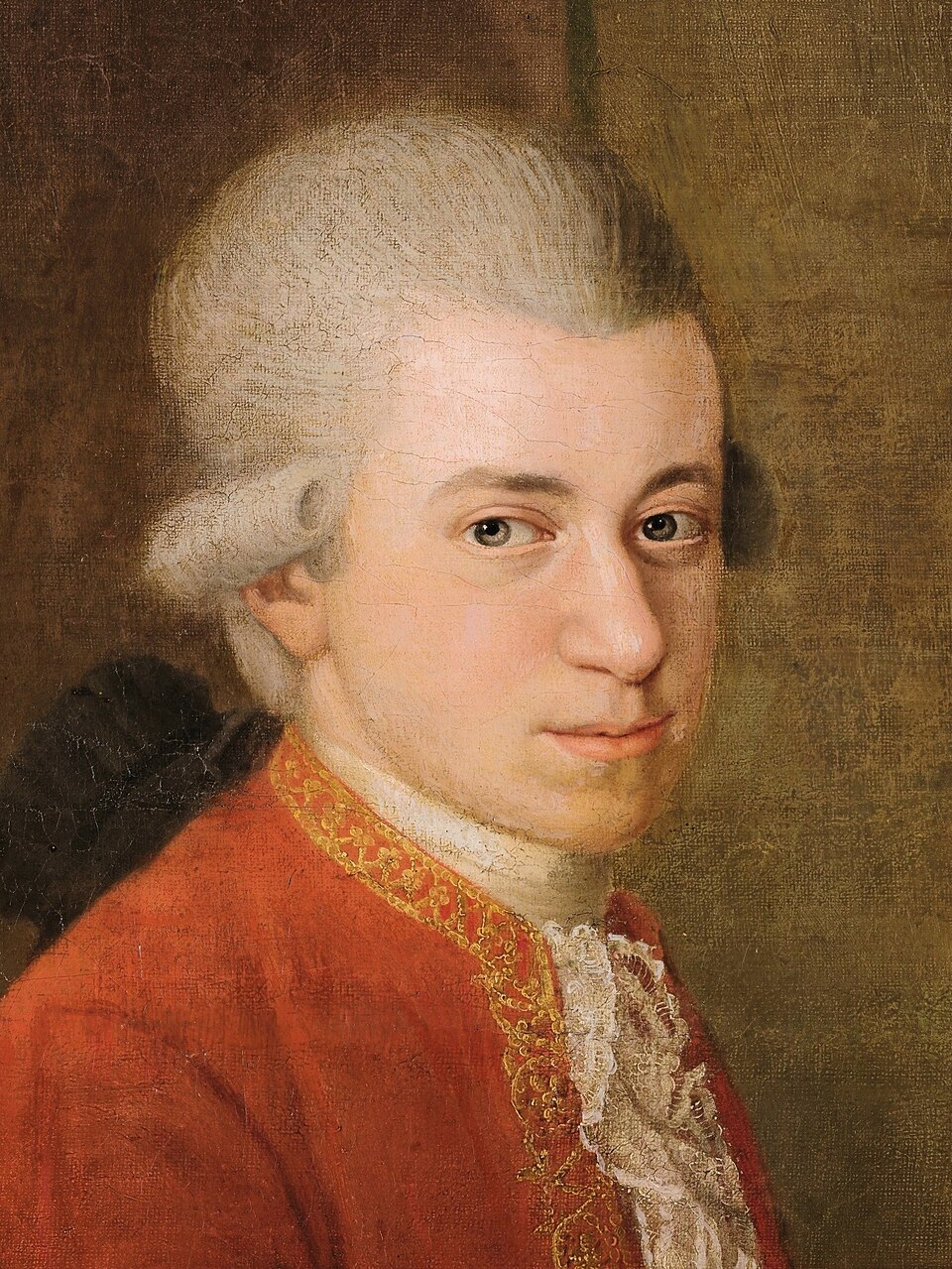
Wolfgang Amadeus Mozart · Classification
1756 – 1791
1791 · Concert for clarinet · Vienna
Tonality
Instruments
- Solo clarinet (written for basset clarinet)
- 2 flutes
- 2 fages
- 2 tubes
- Rope (violins, violas, cello and contrabajes)
From the atril
The concert for clarinet in the major, completed in October 1791, just two months before Mozart's death, is his last concert and his last instrumental work. He wrote it for his friend Anton Stadler, a virtuous clarinetist for whom he had already composed the Quintet with clarinet. The clarinet was then a relatively new instrument, and Mozart was one of the first to discover all its expressive possibilities.
It was originally designed for the clarinet. «di bassetto», an instrument with additional serious notes, with which Stadler explored a very broad record. As the original score was lost, the version that is usually played is an adaptation for standard clarinet, although today many clarinetists recover the original instrument. The first movement is wide and serene; the end rang, agile and cheerful. But the heart of the work is the adagion: a melody of an overwhelming simplicity and serenity, like a farewell without sadness. It is the most important concert of the clarinet repertoire and one of Mozart's most luminous works.
What to hear
- The serenity of adagio.
- The clarinet record contrasts.
- The versions with clarinet di bassetto.

