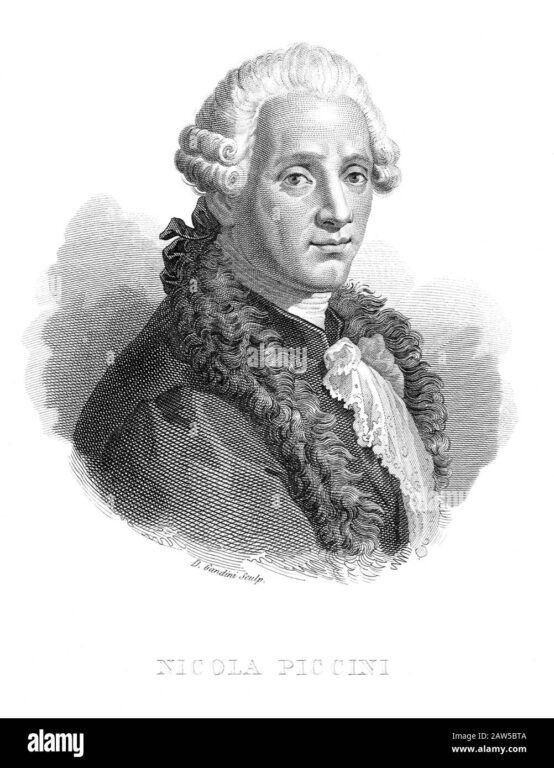
Niccolo Piccinni · Classification
1728 – 1800
1778 · Tragédie lyrique · Paris
Tonality
Without a unique tone. Like all tragédie lyrique, he goes through many tonalities throughout his scenes, dances and chorus.
From the atril
When Piccinni arrived in Paris in 1776, he did not speak French. His librettist, Jean- François Marmontel, taught him the language verse to verse as he adapted for him the old libretto of Quinault for the Roland Lully's. The supporters of Italian music wanted to oppose Gluck, and it was said that Gluck, knowing that they both worked on the same subject, left his own Roland. So was born the famous complaint between «gluckists» and «piccinnists».
Premiere at the Paris Opera in 1778, the work tells the unmatched loves of the Roddan palate by Princess Angelica, who prefers the young Medoro, and the madness in which the hero falls when he finds out. Piccinni brings to the French tragedy the Italian melody, long and canable, without giving up the chorus and dances of French taste. The result was a success that showed that the composer of comic operas could also write tragedy. Roland's scene of madness is the great moment of score, and a good sample of Piccinni's dramatic art.
What to hear
- Roland's crazy scene.
- Italian melody in French.
- The chorus and dances to French taste.
Listen
Niccolò Piccinni - Roland (1778) · KuhlauDilfeng3
When you press the YouTube player will be loaded.

