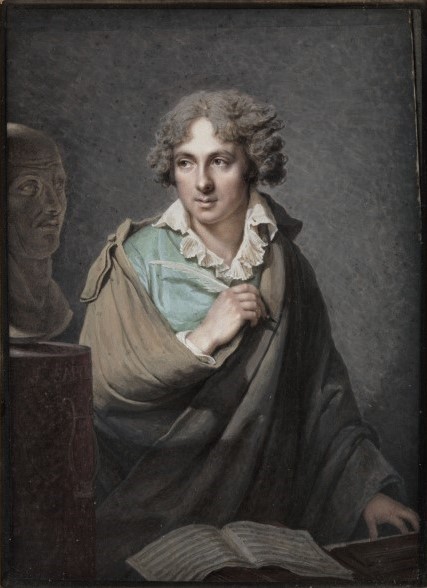
Luigi Cherubini · Classification
1760 – 1842
1800 · Comic opera · Paris, Théâtre Feydeau
Tonality
Without a unique tone. Like every opera, it goes through many tonalities throughout its scenes, arias and ensembles.
From the atril
Les deux journées («The two days»), released in Paris in 1800, was Cherubini's greatest success in life. In the German-speaking countries it was known as Der Wasserträger («The water cleaner»), and there was enormously popular throughout the 19th century. Goethe and Beethoven considered it one of the best books of their time.
The story, set in Paris of the 17th century, tells how a humble seedler, Mikéli, saves a count pursued by Cardinal Mazarino, hiding it in his barrel of water to get him out of the city. It is another rescue opera, with a message of solidarity between classes very specific to the revolutionary era. The music is nicer than that of Médée, but with the same orchestral force: the overture, energetic and full of suspension, and the scenes of tension on the doors of the city are of great theatrical effect. Beethoven had the score on the table while writing Fidelium, and its influence is evident.
What to hear
- The overture, full of suspense.
- The stress scenes on the city gates.
- Those similar to Fidelium from Beethoven.

