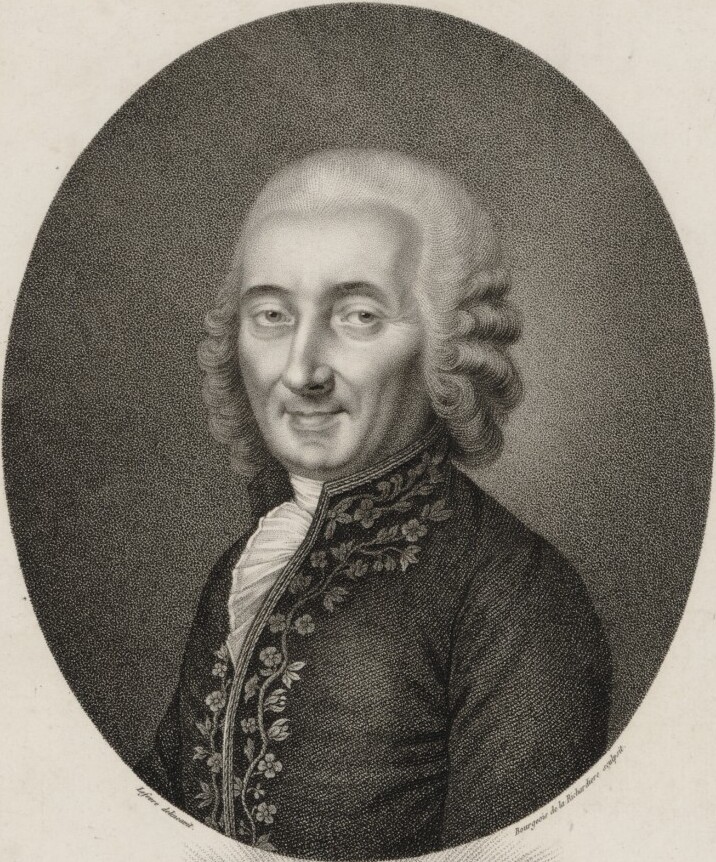
Luigi Boccherini · Classification
1743 – 1805
1771 · Symphony · Madrid
Tonality
Instruments
- 2 oboes
- 2 tubes
- Row
From the atril
The Symphony in re minor op. 12 ° 4, written in Madrid in 1771, is known as «The house of the diavolo» («The house of the devil»). The nickname comes from his last movement, in which Boccherini borrowed, and openly declared, the famous «Dance of furies» of the ballet Don Juan from Gluck, the scene where the seducer is dragged to the hell.
It is one of the most dramatic symphonies of its time, on the Sturm und Drang line. The first movement begins with a slow and mysterious introduction, which reappears before the end, and continues with a strong parallel. The central andantino offers a remnant of grace. And the end is a storm: furious trumolos, very fast scales, blows from the whole orchestra that paint the fire of hell with a surprising violence. For the string orchestra, the last movement is an exercise of energy and precision that always impresses the public.
What to hear
- The slow introduction and its return.
- The grace of the andantino.
- The storm of the end, taken from Gluck.

