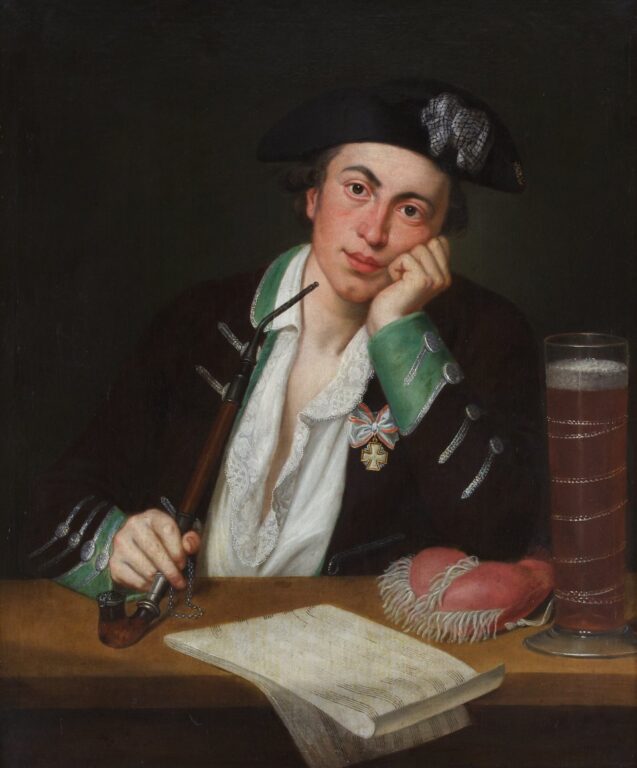
Joseph Martin Kraus · Classification
1756 – 1792
1783 · Symphony · Vienna
Tonality
From the atril
During his great journey through Europe, Kraus went through Vienna in 1783 and met Haydn, to whom he dedicated this symphony, reworking another previous in a minor sustained. Haydn was so impressed that he made her play in Esterháza and said of Kraus that he was one of the two geniuses he had met, along with Mozart.
It is a symphony of an unusual dramatic intensity. The slow introduction, with its severe unison and dissonances, creates an unsettling atmosphere that leads to a tempestous, near-Beethovenian energy, with unbreathing syncups and trumolos. The central walker offers a lyrical remnant, and the end takes up the tension with an unrelenting force. For many listeners to discover it today, it is a revelation: it shows that the dramatic minor does not start with Beethoven.
What to hear
- The slow, serious and disturbing introduction.
- The symptoms and trémolos of the allego.
- The relentless tension of the end.

