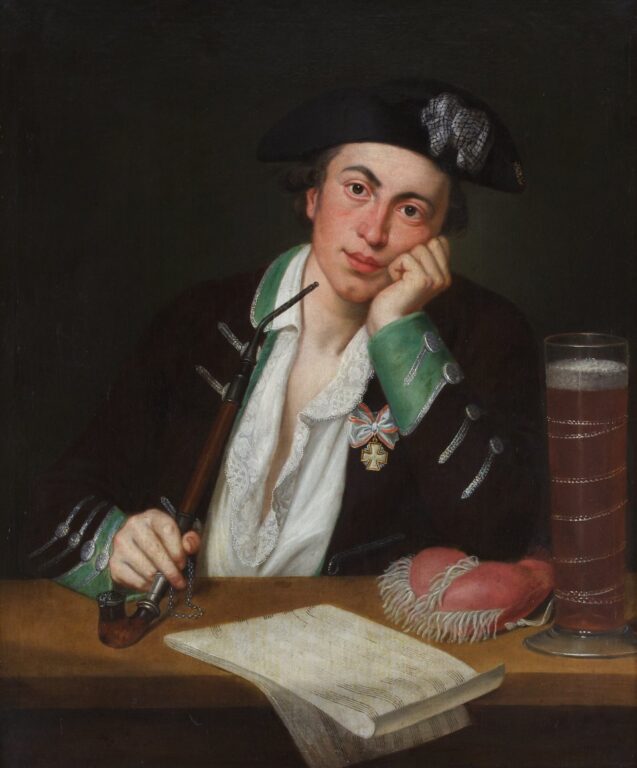
Joseph Martin Kraus · Classification
1756 – 1792
1792 · Symphony · Stockholm
Tonality
From the atril
In March 1792, King Gustavo III of Sweden, the protector of Kraus, was shot dead during a mass dance at the Stockholm Opera, an episode that would inspire Verdi A ballo in maschera. Kraus, deeply affected, wrote for the real exequies this symphony in the minor, one of his last works: he himself died a few months later.
It is an unusual symphony, all slow and serious, designed to accompany the funeral ceremony. Kraus uses dark sound: timbals with satiz, severe metals, strings in the low record, funeral rhythms. The music advances with a painful solemnity, without concessions to the glow. From the atril it feels like an authentic duel music, written without thinking of the effect. It is a moving work, which anticipates the funeral marches of Beethoven.
What to hear
- The timbals with the line.
- The rhythm of the funeral.
- The dark sound of heavy metals and strings.

