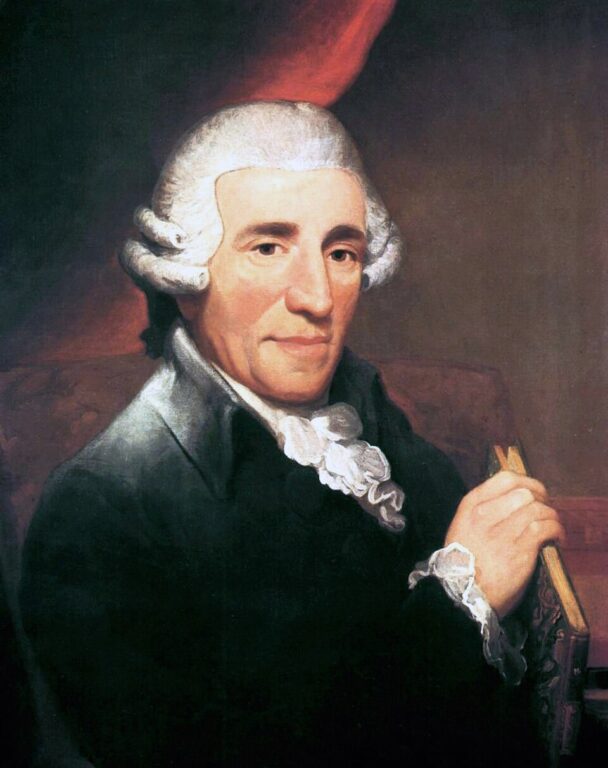
Joseph Haydn · Classification
1732 – 1809
1794 · Symphony · London
Tonality
Majorafter a slow introduction into r minor.
Instruments
- 2 flutes
- 2 oboes
- 2 clarings
- 2 fages
- 2 tubes
- 2 trumpets and timbals
- Rope (violins, violas, cello and contrabajes)
From the atril
Symphony No. 101 premiered in London in 1794, during Haydn's second trip to England. The nickname of «The watch»which is not the composer's, comes from the second movement, in which phagages and ropes in pizzicate mark a regular tictac while violins sing an elegant melody above.
That accompaniment seems simple, but keeping it perfectly regular and light throughout the movement is a small challenge for musicians. In the central part, the clock is «It spoils» in a minor episode and in another curious passage in which only flute and fagot sound. The rest of the symphony shows Haydn in full maturity: a slow minor introduction, a bright presto, a majestic minuet with a trio in which the accompaniment seems to detune on purpose, and an end with a power-filled leak.
What to hear
- The tictac of phagages and pizzicates.
- The trio of the minuet, with its harmonies «Wrong».
- The escape from the end.

