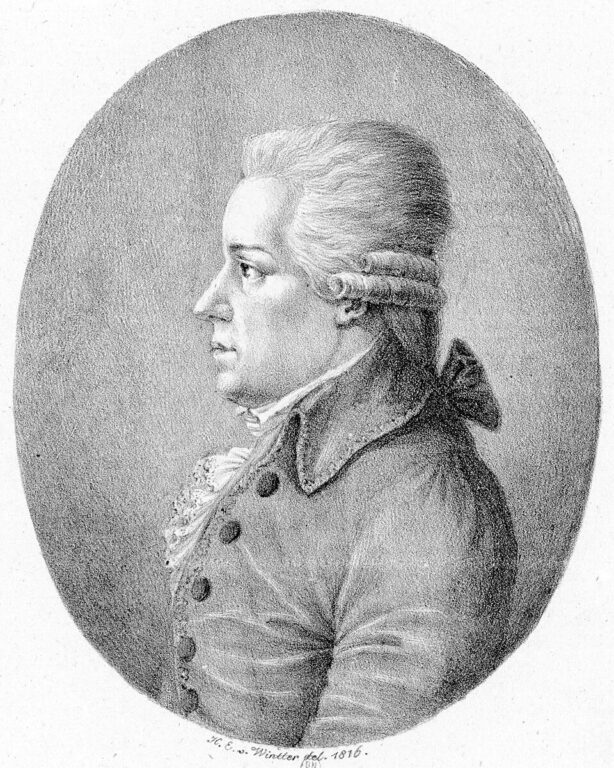
Carl Ditters von Dittersdorf · Classification
1739 – 1799
My eldest · Contrabajo and orchestra
Tonality
My eldest. With the Viennese affination of the time, the contrabetist played it with digitations of major, and today it is often interpreted in that tone.
Instruments
- Solo work (with the Viennese tuning of the time)
- 2 oboes
- 2 tubes
- Row
From the atril
Few 18th-century composers wrote for soloist contraband, and Dittersdorf left two concerts that today are pillars of the repertoire. Any bass player who shows up for an orchestra hearing knows they'll probably ask for this. He wrote them thinking of Viennese virtuous, who used an instrument with a special tuning, the «Viennese tuning»which facilitated chords and sharp passages.
This is why the original score is written in re major, but today it is usually played in my major, with modern tuning and a technique of strained strings a higher tone. For the soloist it is a huge challenge: the bass has to sing in the acute record, with harmonics and fast passages, and make itself heard about the orchestra. Adagio is surprisingly lyrical, and shows that this orchestra giant can also be a delicate singer.
What to hear
- The acute record of the bass in the first movement.
- The lyrical adagion.
- The cadences, the moment of the soloist's mourning.

