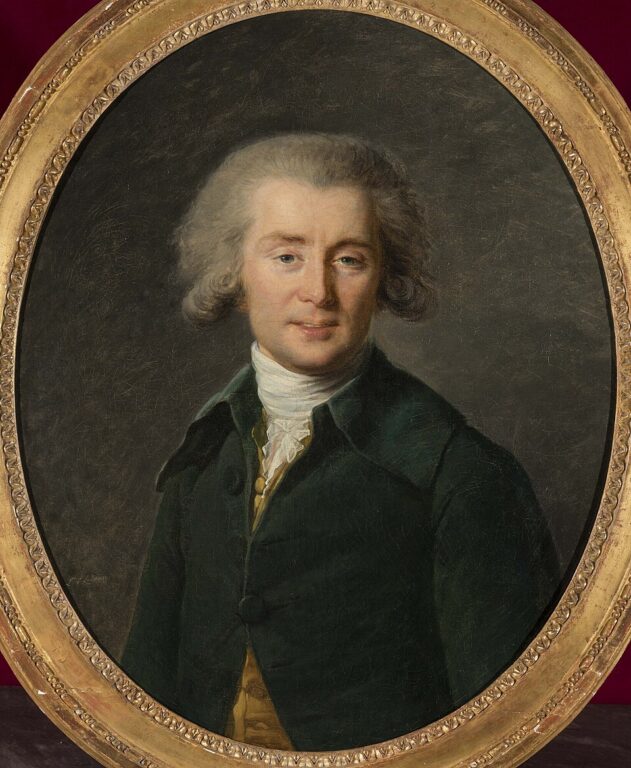
André Grétry · Classification
1741 – 1813
1773 · Ballet · Versailles
Tonality
Without a unique tone. Like every opera, he goes through many tonalities throughout his scenes, dances and chorus.
From the atril
For the wedding celebrations of the Count of Artois, brother of the future Louis XVI, in Versailles in 1773, Grétry left for once the comedy and addressed the noble genre of the mythological tragedy with dance. The myth of Cephalus and Procris, the wife who died by mistake at the hands of her jealous husband, gave him the opportunity to show that he also knew how to write in large format.
Since the orchestra, it is a score richer than its comic operas, with numerous ballets, chorus and a more elaborate instrumental writing. The dance numbers, which were mandatory in French opera, have a special charm: gavotas, minuets and tambourins of clean and very dancing lines. It did not achieve the success of its comedies, but it contains pages of very versalsh elegance.
What to hear
- The ballet numbers, with gavotes and tambourins.
- The scene of Procris's death, the most tragic moment.
- The most extensive and elaborate orchestration than in its comedies.

