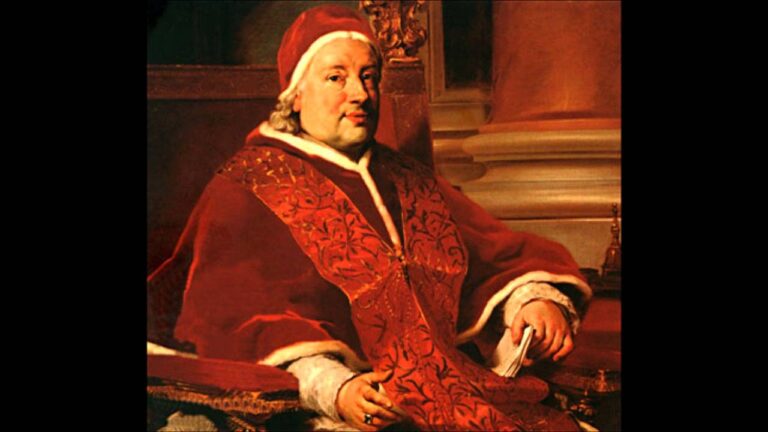
José de Nebra · Baroque
1702 – 1768
1743 · Zarzuela · Madrid
Tonality
Without a unique tone. Like all zarzuela, it goes through many tonalities along its sung and instrumental numbers.
Instruments
- Solo voices and chorus.
- Rope Orchestra, with winds in some numbers.
- Under continuous.
From the atril
Wind is the joy of love, with a libretto by Antonio de Zamora, it premiered in Madrid in 1743 and was one of Nebra's great successes: it was reintroduced several times in the following decades. It is a zarzuela in two days, with a mythological and pastoral argument, loving entanglement and comic characters.
The score shows Nebra in full maturity. The Aryans of the gods and the nymphs have the glow and ornamentation of the Italian opera, while the funny ones sing follow-up and clas of unmistakable Spanish taste. That mixture of the cult and the popular is what makes the baroque zarzuela unique. The orchestra, with violins, oboes and tubes, accompanies with viveza, and the chorus give a festive air to the work. Recovered in recent years, it has shown that it works very well on stage.
What to hear
- The virtuous aries of the noble characters.
- The following of the funny.
- The festive chorus.

