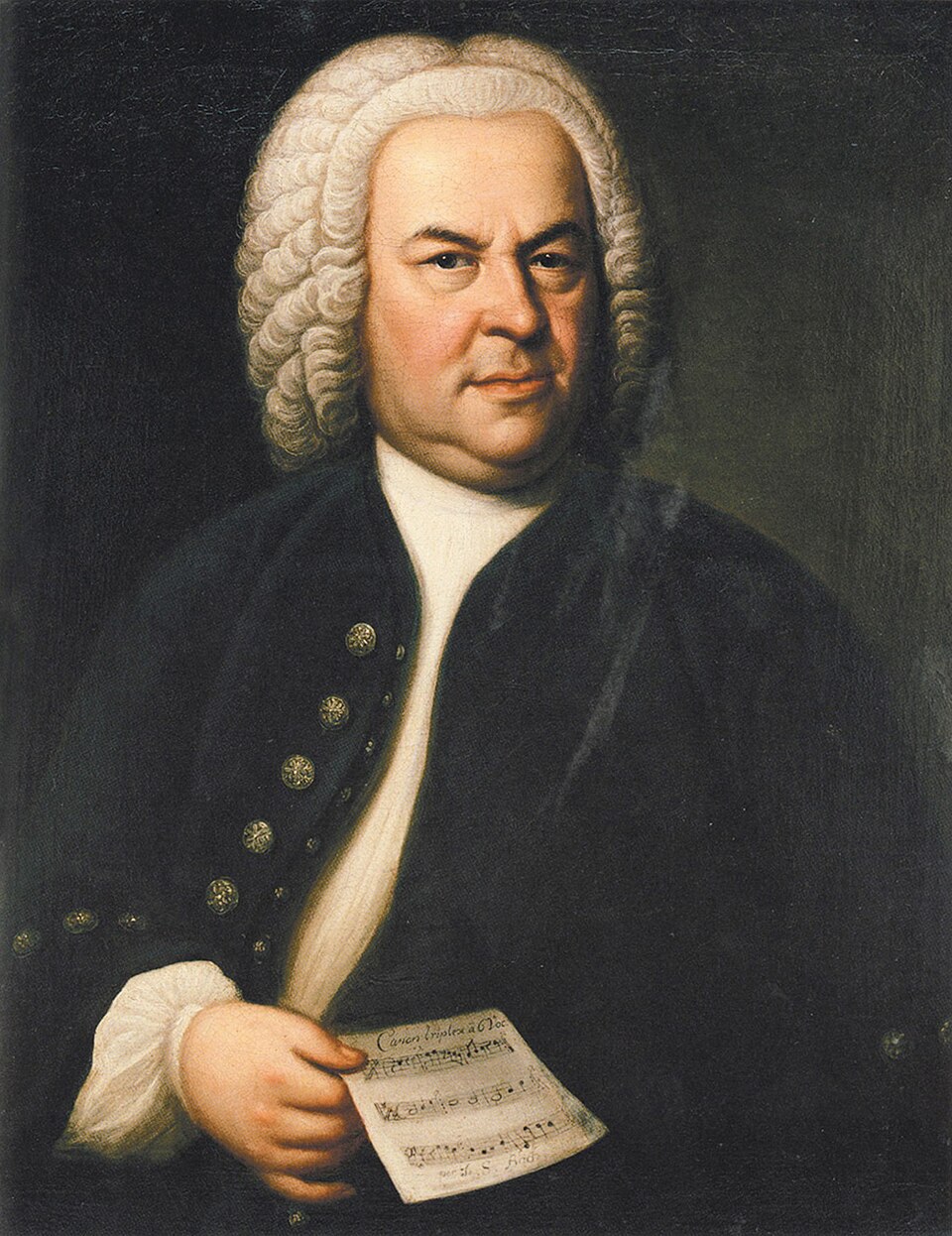
Johann Sebastian Bach · Baroque
1685 – 1750
Decent of 1740 · published in 1751 · Counterpoint · Leipzig
Tonality
Minor re. All leaks and canons start from the same subject in that tone.
Instruments
- No instrument indicated: Bach wrote it in open score (you usually touch the keyboard, with string quartet or with set of violas)
From the atril
The art of escape is a systematic exploration of all the possibilities of the counterpoint from a single theme, simple and in re minor. Bach presents it in fourteen leaks, called counterpoints, and four more and more complex canons: the theme appears inverted, expanded, reduced, combined with new themes and even reflected as in a mirror, so that the piece can be touched backwards.
Bach did not indicate what instrument it was for, and therefore the key, the organ, the piano, with string quartet or with orchestra is heard. The last escape was unfinished: in it Bach introduces a theme with the notes that form his surname in German notation (if bemol, la, do, si), and the music is suddenly interrupted in the middle of a bar. His son Carl Philipp Emmanuel noted that the author had died at that point, although today it is known that it was not exactly so. That final silence remains one of the most impressive moments of music.
What to hear
- The minor re theme of the Contracunctus 1.
- The leaks in the mirror.
- The B-A-C-H theme and the unfinished end.

