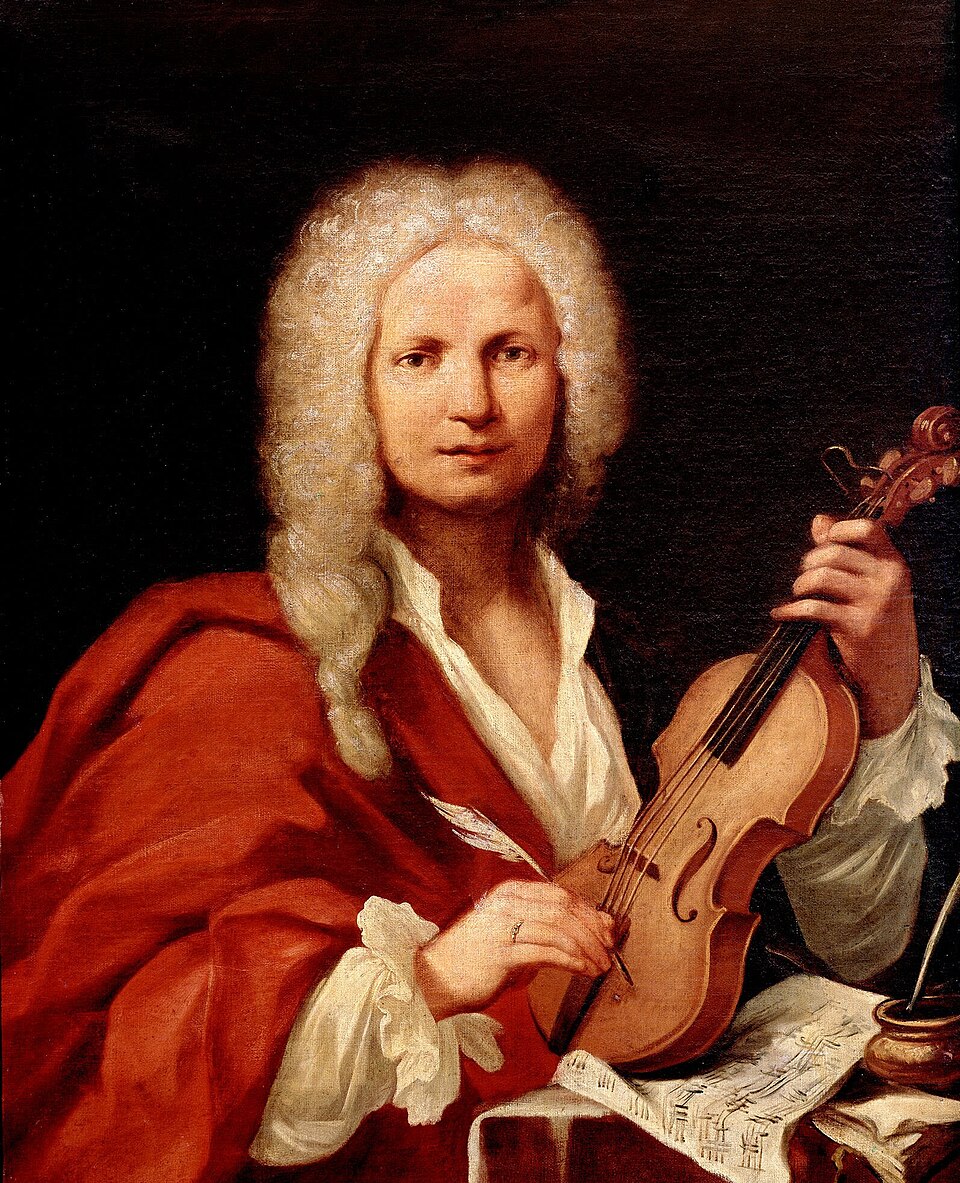
Antonio Vivaldi · Baroque
1678 – 1741
c. 1715 · Solists, chorus and orchestra · Venice
Tonality
Major. The intermediate numbers pass through other tonalities, especially minor, before the final return to major.
Instruments
- Thrombite
- Oboe
- Rope (violins, violes and low)
- Continuous low (organ)
From the atril
Written probably for the Pietà, the Glory in remajor spent two centuries forgotten until his manuscripts appeared in Turin and was reperformed in Siena in 1939. Since then it is, along with The four stationsVivaldi's work is most touched. Divide the text of the Glory of Mass into twelve very contrasted numbers.
The beginning is pure joy: octaves psaltarines on the rope and a trumpet that shines above before the choir enters. But the heart of the work is in the slow numbers, like the Et in terra pax, with chromatic harmonies that advance almost to tempes, or the soprano duo Laudamus telight and light. In the end, Vivaldi borrowed a flight from his colleague Giovanni Maria Ruggieri and reprepared it: a regular gesture at the time.
What to hear
- The octaves of the rope in the Gloria initial, one of the happiest rips in the Baroque.
- The Et in terra pax, slow and chromatic, in total contrast to the above.
- The double escape of Cum Sancto Spirit that closes the play.
Listen
Vivaldi: Glory in ré majeur RV 589 · France Musique concerts
When you press the YouTube player will be loaded.

