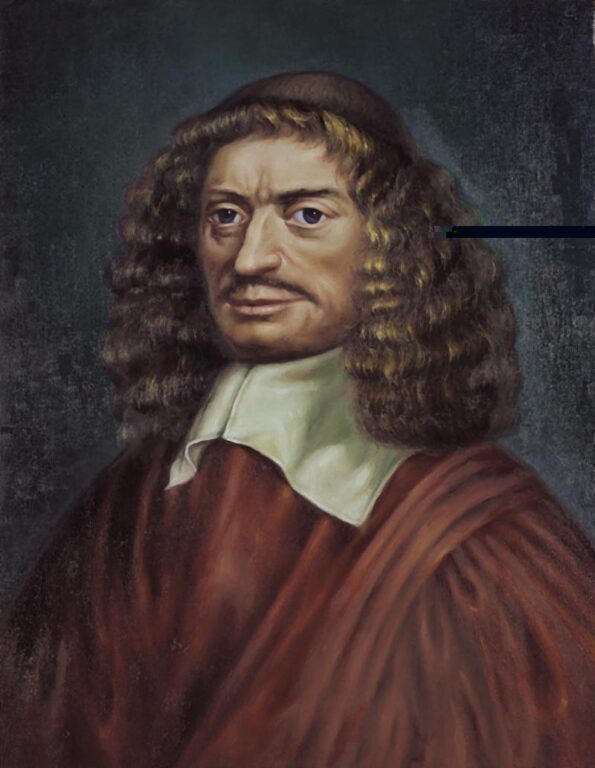
Giacomo Carissimi · Baroque
1605 – 1674
s. XVII · Continuous voice and low · Rome
Tonality
Without a unique tone. It is a repertoire of numerous cantons and each has his own.
Instruments
- Continuous bass (key, tiorba or archilaúd)
From the atril
In addition to oratoriums, Carissimi wrote more than a hundred profane cantons in Italian, for one to three voices with continuous bass. They were sung in the halls of the Roman aristocracy and were fundamental to shape the chamber cantata, which alternated recited sections, arias and ariets. Many deal with love, complaint and mockery, sometimes with a lot of humor.
I can INTEREST you.

For the singer it is a very grateful and intimate repertoire. The text commands: it must be said clearly and with intent, allowing the music to change character to each sentence, from the almost-spoken decline to lyrical song. Some are small theatrical scenes, such as the singing of the laughing philosopher and the crying, Democrite and Heraclitus. With a good continuum of tiorba or key, they sound fresh and surprisingly modern.
What to hear
- The alternation of recite and ariet.
- The mood of the burlesque cantons.
- The accompaniment of tiorba or key.
Listen
G. Carissimi: JEPHTE / Sebastiano De Filippi · Sebastiano De Filippi
When you press the YouTube player will be loaded.

