Dieterich Buxtehude · Baroque
c. 1637 - 1707
1694 / 1696 · Violin, viola da gamba and key · Hamburg (printing)
Tonality
Without a unique tone. It's two collections of seven sonatas and each has his own.
Instruments
- Violin
- Viola da gamba
- Key
From the atril
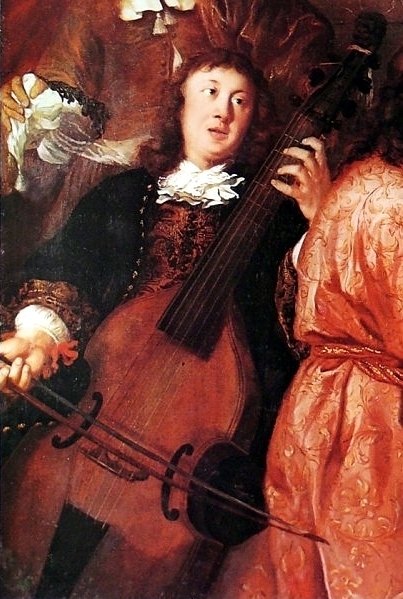
They are the only works Buxtehude published in life: two collections of seven sonatas each for violin, viola da gamba and key. Unlike the Italian three-way sonatas, with two violins, here the viola da gamba has a role almost equal to that of the violin, and is not limited to strengthening the bass. It is a combination very much from northern Europe, of warm sound and something melancholic.
To touch them is to enter the same fantastic world of organ preludes. The sonatas are composed of many short and contrasting sections, which pass without warning from an expressive adagio to a runaway or a dance, and there are moments of virtuosism for both string instruments. Some include variations on an obstinate low. It is a camera music full of imagination, which deserves much more presence in the rooms.
What to hear
- The equal-to-equal dialogue between violin and viola da gamba.
- Abrupt changes of character between sections.
- The low-obstinate variations.

