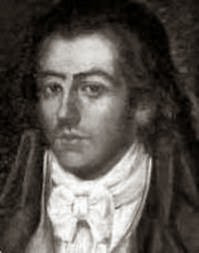
Antonio de Literes · Baroque
1673 – 1747
1709 · Zarzuela · Madrid
Tonality
Without a unique tone. Like every opera, he goes through many tonalities along his arios and recites.
Instruments
- Solo voices and chorus.
- Violins and other rope instruments, with winds in some numbers.
- Continuous bass (key, harp or guitar).
From the atril
A year after the success of Aces and Galatea, Literes returned to the zarzuela with this work whose title already summarizes its theme: love as a chain from which no one escapes. It is a less known and less preserved piece than its older sister, but it shows the composer in full shape, with a secure mastery of the Italian forms applied to the Madrid courtier theatre.
I can INTEREST you.

The most interesting thing for the interpreter is the variety of resources: arias with forced violins, repetitive in Italian style and Spanish root numbers with stribbles that come back again and again. The treatment of the rope is elegant and not routine. It is a good work to understand how the Madrid of the early 18th century assimilated what came from Naples and Rome while still sounding at itself.
What to hear
- Aryan with forced violins, of clear Italian inspiration.
- The Spanish root chorus that puncture the action.
- The string writing, very much taken care of by a composer who was a violinist.
Listen
Antonio Literes: Let me, ungrateful, cry (human song, S. XVIII) · Psalle et Sile
When you press the YouTube player will be loaded.

