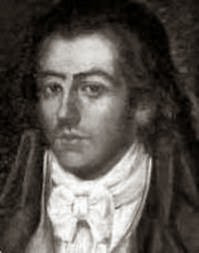
Antonio de Literes · Baroque
1673 – 1747
1708 · Zarzuela · Madrid
Tonality
Without a unique tone. Like all zarzuela, it goes through many tonalities along its sung and instrumental numbers.
Instruments
- Solo voices and chorus.
- Violins and other rope instruments, with winds in some numbers.
- Continuous bass (key, harp or guitar).
From the atril
The myth of Pastor Acis, the Galatea nymphe and the jealous and brutal polyphemus cyclops inspired Lully, Handel and, in Spain, Literes, who made him its most famous zarzuela. It premiered in Madrid in 1708 with a libretto by José de Cañizares, the great playwright of the court of Felipe V. It is a work of transition, in which the Spanish theatre opens itself to the Italian influence without giving up its own taste.
From the pit it is a delight, because Literes was instrumental and writes very well for rope. The Aryans of Galatea have a melancholy tenderness, Polyphemus appears with a roundabout and threatening music, and the comic characters, heritage of the Golden Century theatre, bring breathings full of grace. The numbers with copas and chestnuts ask for guitar and chestnut, and the contrast with the Italian arias is one of its biggest bazas.
What to hear
- The Aryans of Galatea, of a serene and very canable lyrism.
- The music of Polifemo, which portrays the giant with extensive and serious gestures.
- The scenes of the funny, with their popular humor.

